





Bird Control for Airports

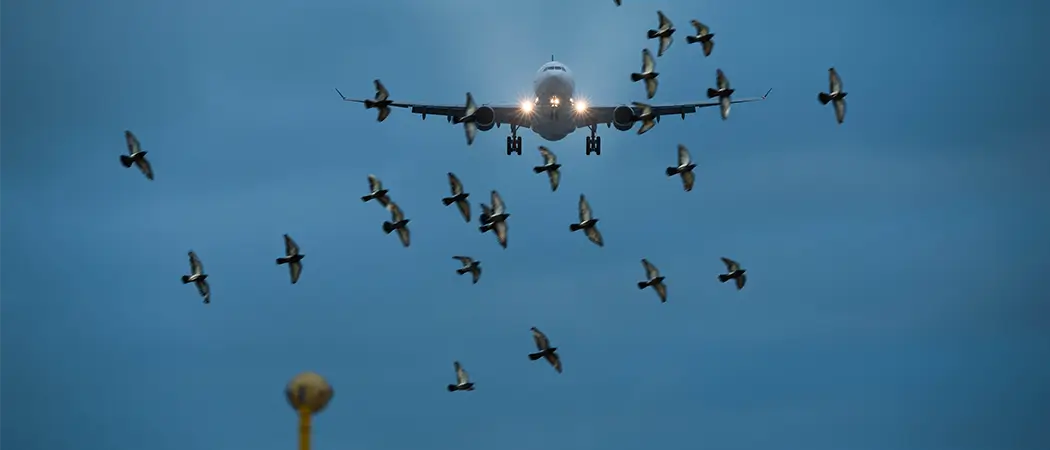
Bird deterrent and netting protecting an airport terminal and airside area
Aviation & Airside

Bird Proofing That Supports Your Wildlife Hazard Plan

At an airport, birds are two separate problems that get talked about as one. Airside, they are a flight safety hazard governed by your wildlife hazard management plan. Landside - in the terminal, the hangar, the cargo shed - they are a contamination, damage and passenger experience problem. The second one is where a bird proofing contractor genuinely belongs.

Feather Guard by Bitco Integrated Pest Management LLP has been proofing large structures since 1972. At aviation sites we net and proof terminals, concourses, MRO hangars, cargo complexes, aerobridges and canopies, and we supply and commission laser and sonic deterrents that your operations team integrates into the aerodrome WHMP.

We are clear about the boundary. Habitat management, bird patrols, strike recording and WHMP ownership sit with the aerodrome operator under DGCA and ICAO requirements. What we do is remove the structures and perches that attract and hold birds, and provide deterrent equipment your team controls.

Airport wildlife hazard management support icon
WHMP-Aligned Scope
Non-toxic humane bird deterrent icon
Non-Lethal Methods Only
Large span terminal and hangar netting icon
Terminal & Hangar Spans
The Problem

What Birds Actually Cost an Airport

One of these four is a flight safety matter and three are commercial. All four trace back to the same thing: structures and open areas that give birds somewhere to perch, nest and feed.

Bird Strike Risk Reduction

Strikes are the consequence everyone knows about, and they are governed by your WHMP - not by a netting contract. Where a proofing contractor contributes is upstream: removing the perches and nesting structures on and around aerodrome buildings that concentrate birds inside the movement area, and supplying deterrent equipment for open ground your team manages. Hangar roofs, cargo sheds, canopy soffits, boundary structures and lighting masts all hold birds within the critical zone. Taking those away reduces the population your patrols have to move.

Pigeons Inside Terminals & Concourses

A pigeon in a departure hall is a passenger experience problem that shows up on social media within minutes. They enter through entrance portals, baggage make-up openings and service doors, then settle in the roof space, on truss work, signage, gantries and above food courts. Droppings land on seating, check-in desks, retail displays and open food. In a terminal the visible presence is often as damaging as the mess.

Nesting in Hangars, Aerobridges & Ducting

MRO hangars are near-perfect nesting habitat - vast sheltered roof steel, warm, dry, with doors that stay open for aircraft movement. Nests appear on hangar trusses, crane rails, aerobridge undersides, canopy soffits and inside exhaust cowls. Nesting debris blocks roof drains and ventilation, brings mites and beetles into stores and workshops, and above electrical equipment becomes a fire load in a building full of high-value assets.

Droppings on Aircraft, GSE & Passengers

Droppings on an airframe are not just cosmetic - uric acid attacks paint systems and aluminium, and contamination on a wing or control surface has to be cleaned and inspected before release. On ground support equipment, baggage belts and apron walkways it causes corrosion and slip hazards. Under an aerobridge or canopy it lands on passengers, which turns into a complaint the same day.

Site Reality

Where Birds Get Into Airport Buildings

Aviation buildings are designed to be open - for aircraft, vehicles, baggage and passengers. Every one of those openings is also a bird route, and these are the five we check first.

Terminal entrance portals and travelator openings

Doors cycle continuously and many kerbside portals are permanently open. Birds follow passengers in and go straight up to the roof space, where nothing disturbs them.

Hangar doors and MRO openings

A hangar door stays open for hours during an aircraft move. Combined with vast unbroken truss space above, this is the highest-pressure nesting environment on most aerodromes.

Baggage make-up, cargo and airside service doors

Baggage halls, cargo sheds and airside service entries operate with shutters up through the shift. They connect the apron directly to enclosed volumes with plenty of high steel.

Aerobridge undersides, canopy soffits and gantries

Not entry points but prime roosts - sheltered, warm, immediately above passenger and apron movement. Nesting here puts droppings straight onto people and equipment.

Open airside ground, drains and waste points

Grass areas, storm drains, water bodies and catering or terminal waste points are the food and water that keep the population resident. Habitat management here belongs to the aerodrome operator, and no amount of building proofing substitutes for it.

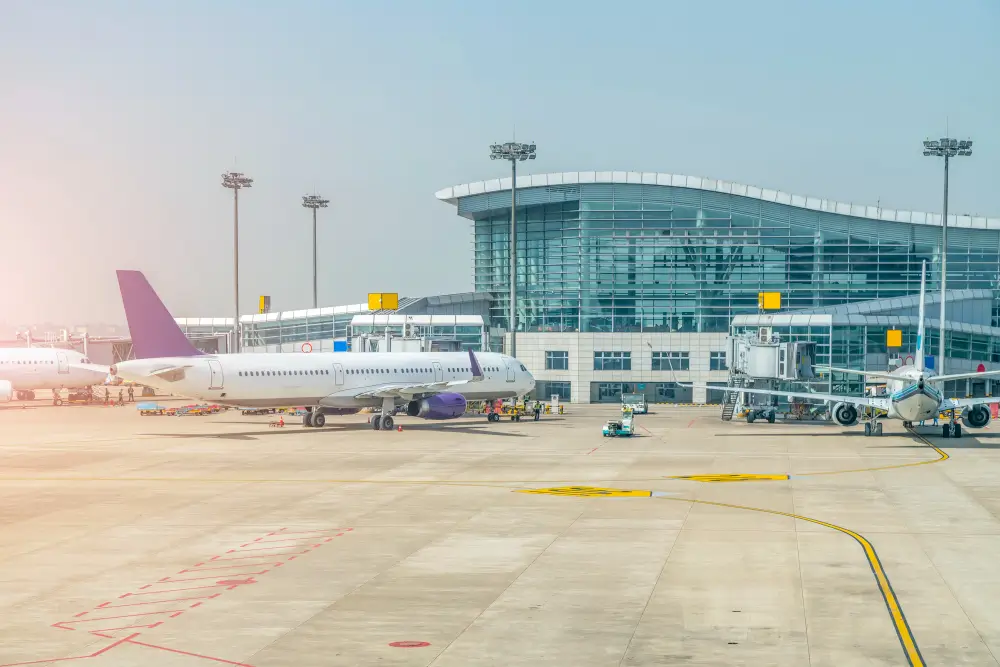
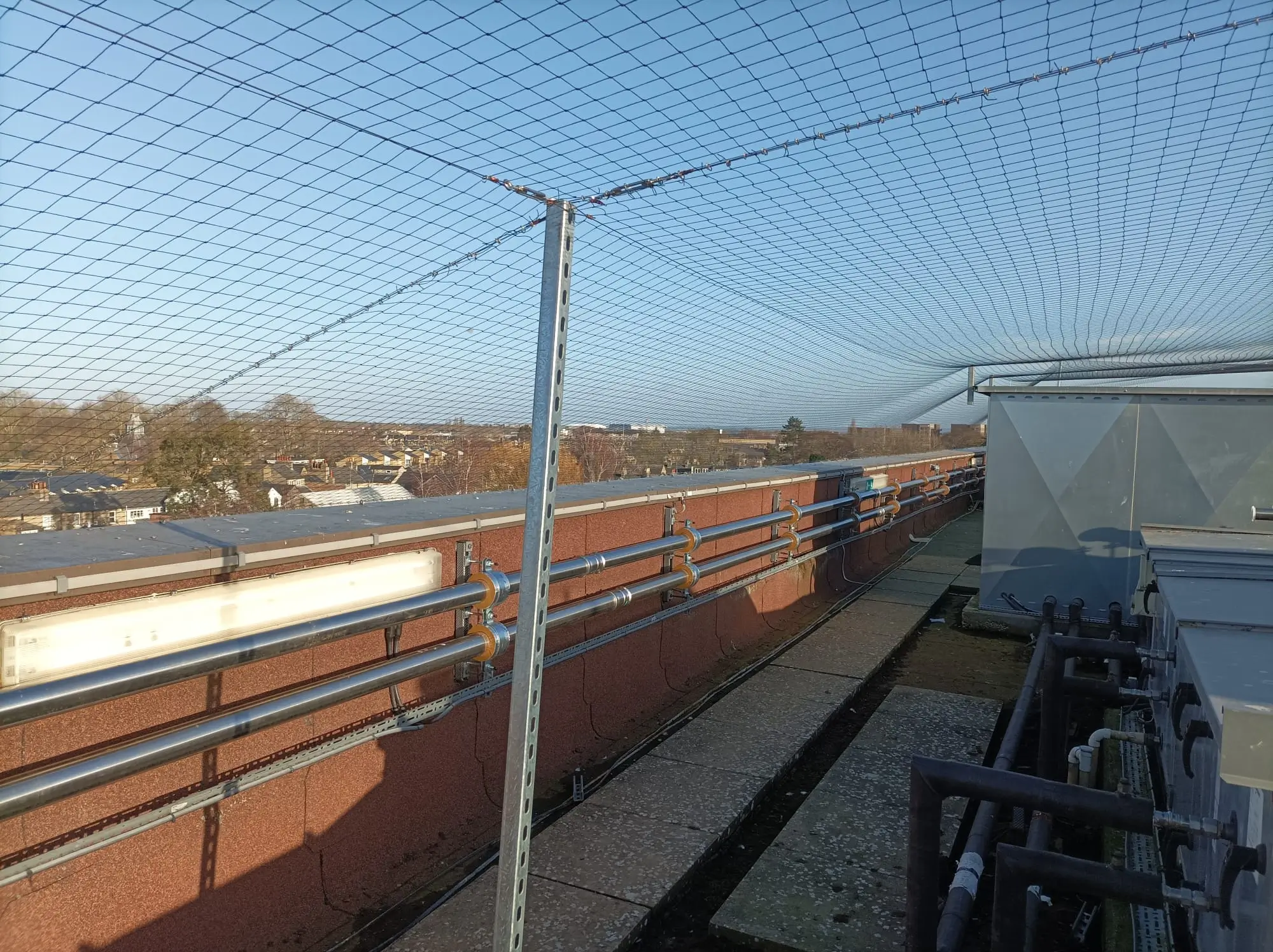
Bird netting and proofing installed at an airport terminal structure
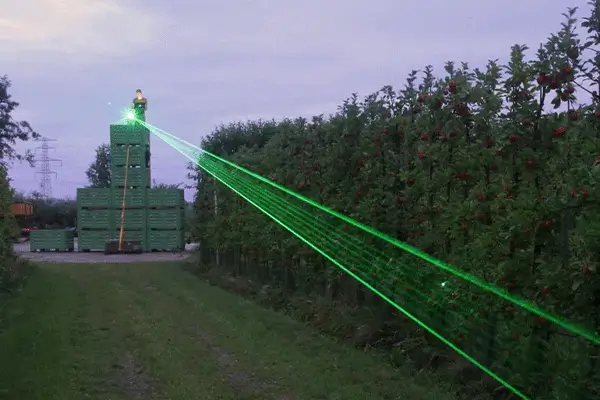
Automated bird deterrent system covering an open airside area
Compliance

The Frameworks That Govern Airport Bird Management

Aerodrome wildlife hazard management is a regulated activity owned by the airport operator. Our scope sits inside that framework as a contractor - we proof structures and supply deterrents; we do not author or run your WHMP.

DGCA CAR Section 4

Series B Part I requires aerodrome operators to run a wildlife hazard management programme with assessment, control and strike reporting.

ICAO Annex 14

Requires assessment of wildlife hazard and action to decrease the attractiveness of the aerodrome and its surroundings to wildlife.

AAI & Operator Standards

Terminal hygiene, food court compliance and building maintenance specifications form part of concession and O&M obligations.

ISO 45001 & FSSAI

Apron and terminal slip hazards fall under occupational safety; terminal food courts and catering units fall under FSSAI.

Feather Guard is ISO, HACCP and GMP certified - and every method we use is non-lethal, so nothing we install conflicts with wildlife protection obligations.

The Solution

What We Install at Aviation Sites

Exclude birds from buildings, deny the perches on and around them, then provide deterrent coverage for the open ground your operations team manages. Every method below is non-lethal.

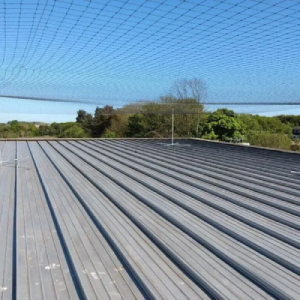
Industrial bird netting spanning an aircraft hangar roof structure

Industrial Bird Netting

The primary barrier for hangars, cargo sheds, baggage halls, plant rooms and canopy voids. High-tensile UV-stabilised HDPE mesh on stainless cable, spanned so the entire roof volume becomes unavailable in one pass. Purely physical, with nothing for a flock to habituate to. Installed taut and flush so it never sags into a debris shelf above an airframe or a baggage line. Spans over 40 metres handled as routine.

Explore Industrial Bird Netting
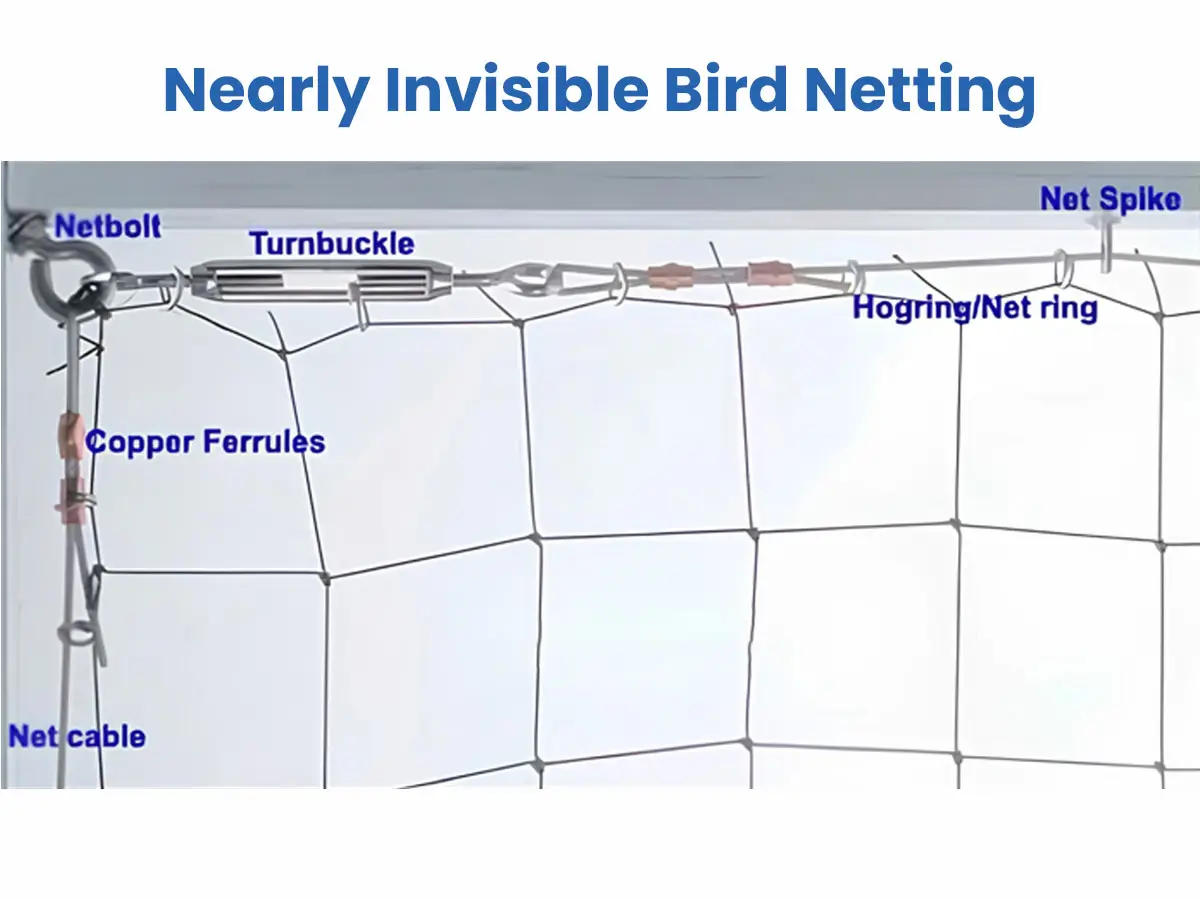
Nearly invisible bird netting on an airport terminal glazed facade and atrium

Nearly Invisible Bird Netting

The right answer inside a terminal. Fine-gauge low-reflectance mesh reads as empty space from a few metres away, so it can close atrium voids, glazed facade returns, entrance portal reveals, concourse roof pockets and food court ceilings without visibly changing the architecture. This is what lets you exclude birds from a passenger-facing space without it looking like an industrial shed.

Explore Nearly Invisible Netting
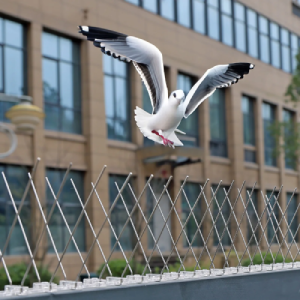
Bird spikes installed on an airport canopy ledge and signage

Bird Spikes

For linear perches netting cannot cover - canopy soffit edges, aerobridge undersides, parapet copings, signage tops, gantries, cable trays, lighting brackets and hangar door head rails. Blunt-tipped and humane: the landing is denied without injuring the bird or the technician. Stainless steel throughout, given the corrosion load at coastal and apron-exposed locations. Captive, counted fixings so nothing can become apron FOD.

Explore Bird Spikes
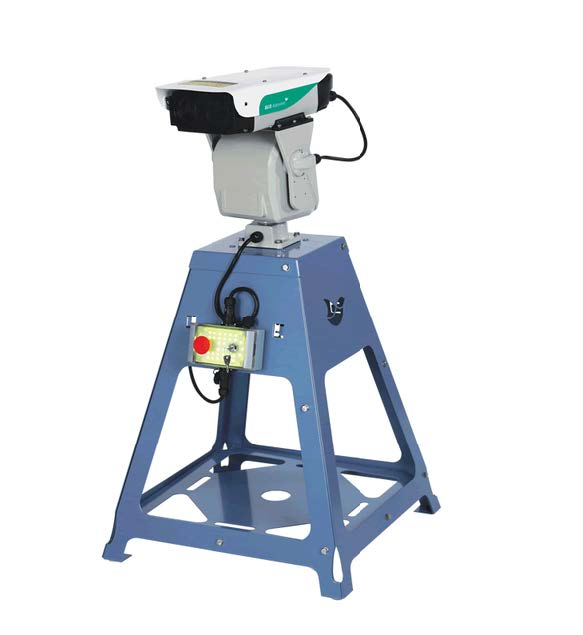
Automated laser bird deterrent covering open airside ground at an airport

Laser Bird Deterrent

For large open areas where exclusion is impossible - airside grass, cargo aprons, roof surfaces, storm water areas, boundary land and stockyards. An automated head sweeps a programmed green pattern that birds read as an approaching physical object and vacate. Silent, chemical-free, no consumables, and strongest at dawn and dusk when bird movement peaks. Zones and schedules are configured with your operations team so coverage fits your WHMP.

Explore Laser Deterrents
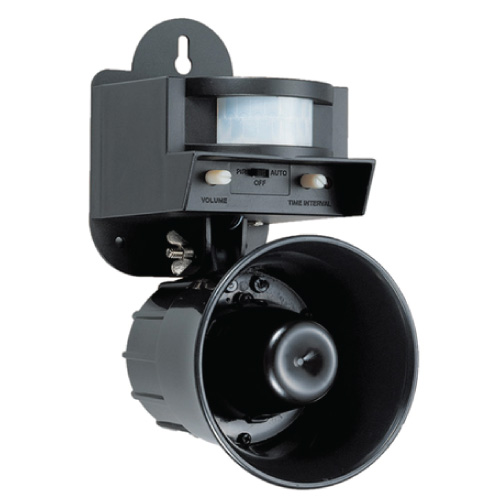
Sonic bird repellent unit installed at an airport cargo and apron area

Sonic Bird Repellent

Species-specific distress and predator calls broadcast across open or semi-enclosed areas so a flock reads the location as unsafe. Useful over cargo aprons, waste and catering yards, open sheds and boundary areas, and zoned and timed to avoid nuisance to terminals and neighbours. We are straight about the limits - sonic supports a programme and needs rotation to stay effective; it does not replace exclusion.

Explore Sonic Repellents
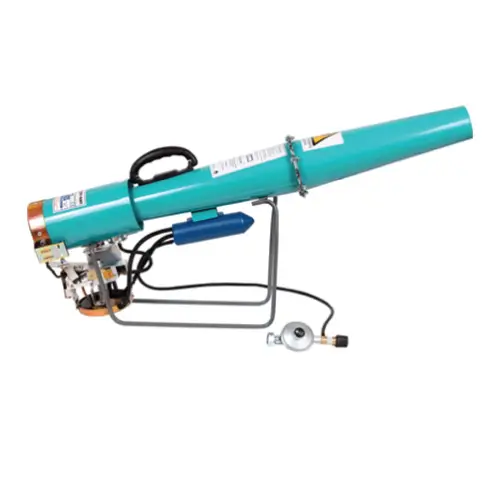
Bird scare cannon deterrent deployed on open ground at an airfield

Bird Scare Cannon Gun

For very large open expanses - airside grass, agricultural land on the aerodrome boundary and undeveloped plots that concentrate flocking birds. Timed acoustic reports disperse gulls, kites and flocking species over areas no netting or laser could economically cover. Deployment, timing and siting are always agreed with the aerodrome operator, since it has to fit your noise and operational constraints.

Explore Scare Cannons
Zone by Zone

Which Solution Goes Where

How a typical airport campus gets covered. Airside zones are always scoped jointly with your operations team, since siting and timing there are governed by your WHMP.

Swipe the table sideways to see all three columns.

Zone Main Risk Recommended Solution
Terminal concourse & departure hall Birds visible to passengers, droppings on seating and desks Nearly invisible netting in roof pockets + spikes on trusses
Food court & retail concessions Droppings over open food - FSSAI exposure Sealed ceiling void netting + shock track on internal ledges
Entrance portals & kerbside canopy Primary entry route into the terminal Reveal netting + spikes on canopy soffit and signage
Baggage make-up & handling hall Droppings on baggage and belt equipment Full-span netting + spikes on gantries and cable trays
MRO hangars & maintenance bays Nesting above airframes, droppings on aircraft Roof netting + spikes on trusses, crane rails and door heads
Air cargo terminal & sheds Contaminated consignments, nesting in roof steel Roof netting + PVC curtains on dock doors + purlin spikes
Aerobridges & apron canopies Droppings onto passengers and ground equipment Spikes and shock track on soffits and undersides
ATC, technical & utility blocks Nesting near electrical and equipment rooms Netting the voids + spikes on ledges and panel canopies
Open airside ground & boundary land Flocking birds inside the movement area Laser deterrent + sonic units + scare cannons, per your WHMP
Catering unit & waste yard Food source sustaining the whole population Netting + curtains on the unit, laser and housekeeping on the yard
How We Work

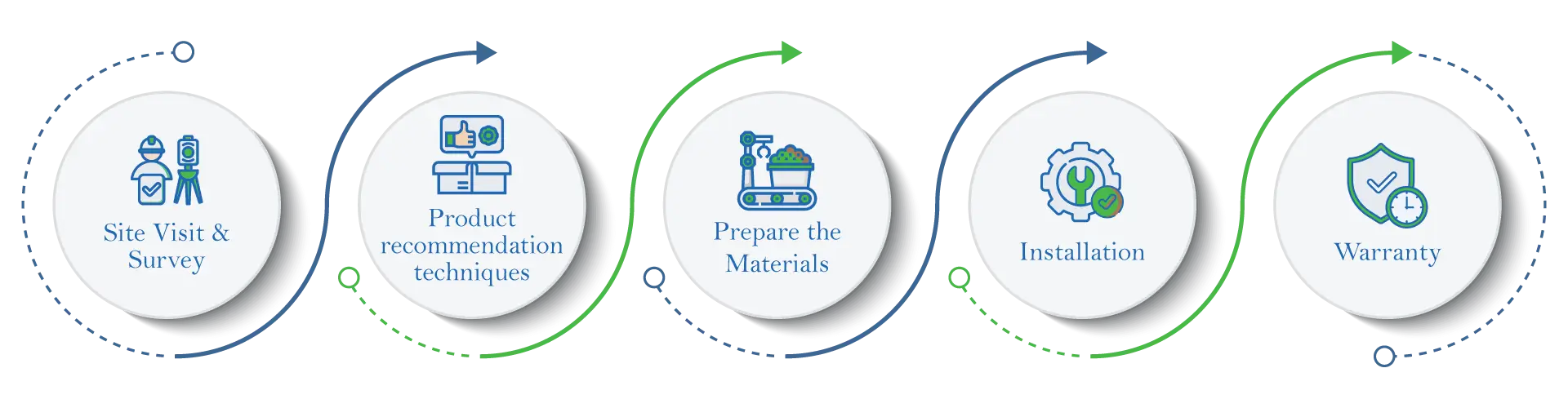
From First Walk to Operational Handover

Aviation sites add access control, airside escorts and FOD discipline on top of the usual sequencing. This is how we run the work.

1

Joint survey with your operations team

We walk landside and, with escort, the relevant airside structures at dawn or dusk when birds are settling. Species, roost and nest counts and every opening go onto your layout drawings. The map is yours whether or not you appoint us.

2

Scope split - buildings versus WHMP

We separate what a proofing contractor can own (structures, perches, deterrent equipment) from what stays with the aerodrome operator (habitat management, patrols, strike recording). No overlap, no ambiguity about accountability.

3

Design, FOD control and access planning

Cable grids and anchors are designed against actual structural capacity. Every fixing is captive and counted, tool tethering is mandatory, and airside work is planned around movement schedules with escorts and permits arranged in advance.

4

Nest clearance and decontamination

Nests, eggs, droppings and contaminated debris are removed by technicians in PPE, bagged and taken off site, and surfaces disinfected before exclusion goes up. We never seal a hangar or roof void with birds still inside it.

5

Phased installation around operations

Terminal work happens in low-traffic windows behind hoarding; hangar work fits between aircraft movements; airside deterrent commissioning is scheduled with ATC and operations. Every zone is FOD-swept and signed off before handover.

6

Commissioning, training and AMC

Deterrent equipment is commissioned with your team and they are trained to operate and log it. AMC covers net tension, perimeter hardware, deterrent function and new pressure points, with trend reports you can cite in WHMP reviews.

Feather Guard team conducting a site survey at an aviation facility
Feather Guard bird control process flow for airports and aviation facilities

Why Aviation Sites Work With Us

  • 52+ years in Integrated Pest Management on large and complex structures
  • ISO, HACCP and GMP certified contractor
  • Non-lethal methods only - no poisons, gels, adhesives or trapping
  • Captive, counted fixings and tethered tools for FOD discipline
  • Terminal work delivered with nearly invisible netting, not industrial mesh
  • Deterrent equipment commissioned and handed to your operations team
  • Clear scope boundary against the aerodrome operator's WHMP
Sectors We Cover

Aviation Facilities We Bird Proof

FAQ

Bird Control at Airports - Common Questions

Not on its own, and we will not claim otherwise. Bird strike risk is managed through your aerodrome wildlife hazard management plan under DGCA CAR Section 4 Series B Part I and ICAO Annex 14 - habitat management, bird patrols, dispersal, strike recording and analysis. That programme belongs to the aerodrome operator.

What a proofing contractor contributes is real but bounded: removing the roosting and nesting structures on aerodrome buildings that concentrate birds inside the movement area, and supplying and commissioning deterrent equipment your team operates. Fewer resident birds on the hangars, cargo sheds and canopies means a smaller population for your patrols to manage.

With nearly invisible netting, which is the whole reason that product exists. It is a fine-gauge, low-reflectance mesh that reads as empty space from a few metres away, so it can close an atrium void, a glazed facade return or a concourse roof pocket without passengers registering it.

The rest is detailing. Perimeter cable is run along existing architectural lines, fixings are colour-matched to the substrate, and we work with your terminal architect or O&M team on anything on a signature elevation. Done properly, the first thing anyone notices is that the pigeons have gone.

It is the concern, and it shapes how we work. Every fixing we use in an airside or hangar environment is captive - it cannot back out under vibration - and stainless, so it does not corrode and shed. Tools are tethered, and everything is counted in and counted out of the work area.

Each installed component is logged by zone and quantity, so if you ever run a FOD investigation you can reconcile against our record rather than guess. Every zone is FOD-swept and signed off before handover.

Only when they are sited and configured correctly, and that is a decision for the aerodrome operator, not for us alone. Laser deterrents must be positioned, angled and beam-limited so no energy can reach a flight deck, an approach path or the ATC tower.

We commission every unit jointly with your operations and ATC teams, document the coverage envelope and exclusions, and hand over the configuration as part of the record. Where a location cannot be made safe, we say so and use a different method - sonic, cannon or exclusion - instead.

Yes, and it is how most hangar work happens. We plan around aircraft movements rather than asking you to clear the bay, sheet off the area below the working zone, and stop work whenever an airframe is positioned underneath.

Practically, we take one truss bay at a time and move as the hangar schedule allows. Roof-level netting on a large hangar typically runs over several weeks in short windows instead of a continuous shutdown - slower on paper, but no impact on your maintenance programme.

Yes. Bird droppings are acidic and hygroscopic - left on a painted surface they soften and lift the paint system, and on bare or lightly protected aluminium they initiate corrosion. On a wing, control surface or engine intake, contamination also has to be cleaned and inspected before the aircraft is released, which costs you time on a slot you had planned to use.

The same chemistry works on ground support equipment, baggage belts, apron lighting and canopy steel, where it quietly shortens asset life over a few seasons.

No. Everything we install and supply is non-lethal - netting excludes, spikes and shock track deny perching, lasers, sonic units and cannons disperse. We do not use avicides, narcotics, adhesives, gels or trapping at any site, aviation or otherwise.

That matters at an aerodrome for two reasons beyond ethics: several species you encounter are protected under the Wildlife Protection Act, and a chemical or adhesive product used near an apron creates its own FOD and contamination exposure.

Airport terminals and concourses, MRO hangars and maintenance bays, air cargo terminals and freight sheds, flight catering and in-flight kitchen units, ATC and technical blocks, defence airbases, heliports and flying training facilities.

Bitco has been in Integrated Pest Management since 1972 and large-structure proofing has been core work throughout. For aviation sites we work to your access, security and escort requirements, and we are happy to discuss references and scope boundaries before you shortlist.

Next Step

Start With a Free Site Survey

Send us your aerodrome location and we will walk the landside structures, and with escort the relevant airside buildings, at the hours birds are actually settling. You get a bird pressure map, a zone-wise recommendation and a written scope with a clear split between our work and your WHMP. No obligation, and the map is yours either way.

Prefer to see it work first? Take the risk-free demo: we proof one structure or commission one deterrent zone of your choice and you pay only after you are satisfied with the result.

Book Your Free Survey

WHY CHOOSE US

Expertise That Sets Us Apart

Experienced & Trained Technician

With years of industry experience, we offer trusted, professional bird and Integrated Pest Management solutions backed by a proven track record.

100% ERP & Insured Staff

With 100% ERP integration, we’ve enhanced our operations, made informed decisions, and continue delivering top-tier solutions to our clients.

Labour Law Complied

Our services strictly adhere to labor law regulations, ensuring legal compliance, fair practices, and protection for both staff and clients.

Focused Industry Solution

We provide focused industrial solutions tailored to your specific needs, ensuring efficiency, reliability, and optimized performance in every operation.

Maintain Safety

We prioritize safety on-site by ensuring that all our products are completely safe for humans. Our commitment to non-harmful solutions reflects our dedication

Customized Solution

Every client’s needs are unique. We provide customized solutions based on the specific requirements of your premises and bird pressure levels

Innovative Technology

We use cutting-edge bird proofing devices like ultrasonic repellents, bird spikes, and laser deterrents, ensuring the most advanced and effective solutions

Long-Lasting Protection

Our products, such as UV-treated bird nets and durable spikes, are designed to last for years, providing cost-effective, low-maintenance protection

Guaranteed Results

We provide 100% effective, long-lasting solutions to keep your property safe from birds like pigeons, ensuring peace of mind.


Risk-Free Demo:
Experience Our Services

We propose to offer you a DEMO of our Bird Proofing Solutions in any critical area identified by you, billing for which would be done only after your positive feedback on completion of evaluation period of may be 1 month.

TRUSTED BY INDUSTRY LEADERS

Our Esteemed Clients

Locations we Serve

Ahmedabad | Amreli | Anand | Aravalli | Banaskantha | Bharuch | Bhavnagar | Bhuj | Botad | Champaner | Chanasma | Chhota Udaipur | Chikhli | Dabhoi | Dahod | Dang | Deesa | Devbhoomi Dwarka | Dharampur | Dholera | Dudhrej | Gandhidham | Gandhinagar | Gir Somnath | Godhra | Gondal | Idar | Jamnagar | Jetpur | Junagadh | Kalol | Khambhat | Kheda | Kutch | Lakhpat | Mahisagar | Mandvi | Mehsana | Morbi | Nadiad | Narmada | Navsari | Panchmahal | Palanpur | Palitana | Patan | Porbandar | Radhanpur | Rajkot | Sabarkantha | Saputara | Siddhpur | Songadh | Surendranagar | Surat | Tapi | Vadnagar | Vadodara | Valsad | Vapi | Veraval | Vyara | Wankaner

Agra | Aligarh | Allahabad (Prayagraj) | Amritsar | Amroha | Aurangabad | Bengaluru | Bhopal | Chandigarh | Chennai | Coimbatore | Delhi | Dhanbad | Faridabad | Firozabad | Gurgaon | Guwahati | Gwalior | Hubli-Dharwad | Hyderabad | Indore | Jabalpur | Jaipur | Jodhpur | Kalyan-Dombivali | Kanpur | Kolkata | Lucknow | Ludhiana | Madurai | Meerut | Moradabad | Mumbai | Nagpur | Nashik | Patiala | Patna | Pune | Raipur | Siliguri | Solapur | Srinagar | Thane | Varanasi | Vasai-Virar | Vijayawada | Visakhapatnam

Andhra Pradesh | Arunachal Pradesh | Assam | Bihar | Chhattisgarh | Goa | Gujarat | Haryana | Himachal Pradesh | Jharkhand | Karnataka | Kerala | Madhya Pradesh | Maharashtra | Manipur | Meghalaya | Mizoram | Nagaland | Odisha (Orissa) | Punjab | Rajasthan | Sikkim | Tamil Nadu | Telangana | Tripura | Uttar Pradesh | Uttarakhand | West Bengal