






Bird Control for Manufacturing

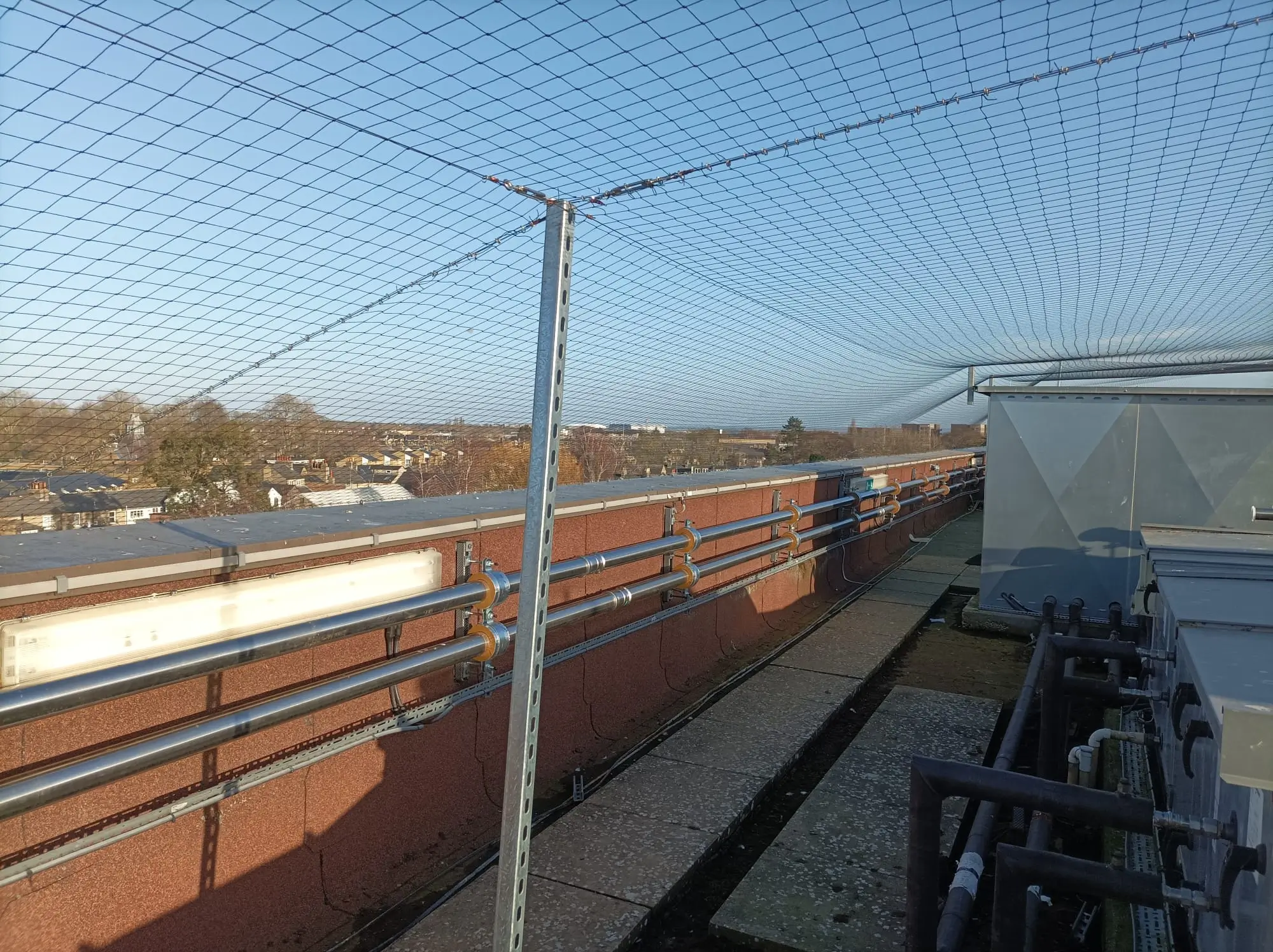
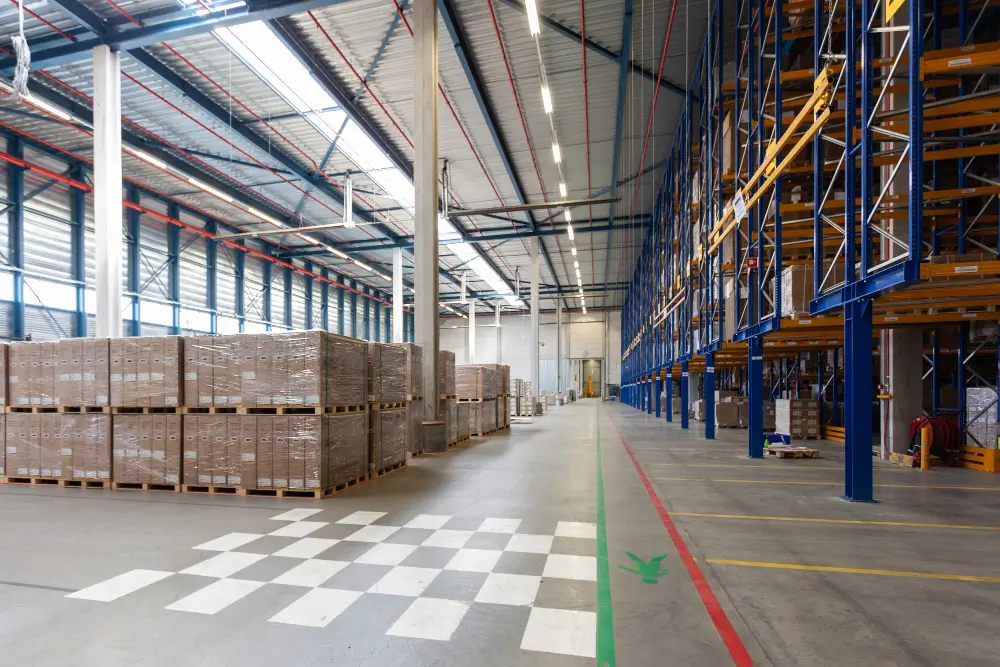
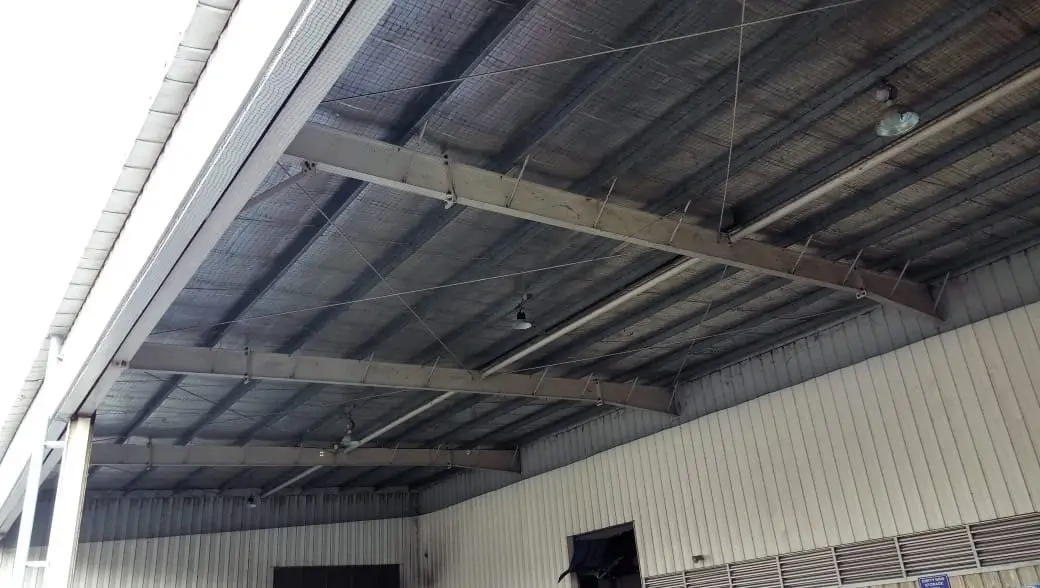
Bird proofing installed across a manufacturing shed roof and crane gantry
Manufacturing & Engineering

Keep Droppings Off the Shop Floor and Out of the Paint Line

One dropping on a machined surface waiting for assembly is a rework. One on a panel between primer and topcoat is a rejected body. On a factory shed the birds are always fifteen metres up on the crane gantry or the roof monitor, and the consequence is always at floor level - in your rejection register.

Feather Guard by Bitco Integrated Pest Management LLP has been proofing Indian factory sheds since 1972 - auto component and OEM plants, engineering and fabrication units, textile mills, plastics converters, chemical plants and foundries. We work over live lines, around EOT cranes, without stopping production.

Nothing exotic about the method. Survey the shed the way a pigeon reads it, seal the openings, take away every perch that sits above a process, and hand over drawings and photographs your OEM auditor can accept. No poisons, no gels, no trapping.

Large span factory shed bird netting icon
Large-Span Sheds
Installation without stopping production lines icon
No Line Stoppage
Durable UV stabilised industrial netting icon
Built for Shed Conditions
The Problem

What Birds Actually Cost a Manufacturing Plant

On a factory floor bird damage does not show up as a bird problem. It shows up as rework, rejection, unplanned downtime and a safety observation - which is why it survives budget cycle after budget cycle.

Industrial Pigeon Control

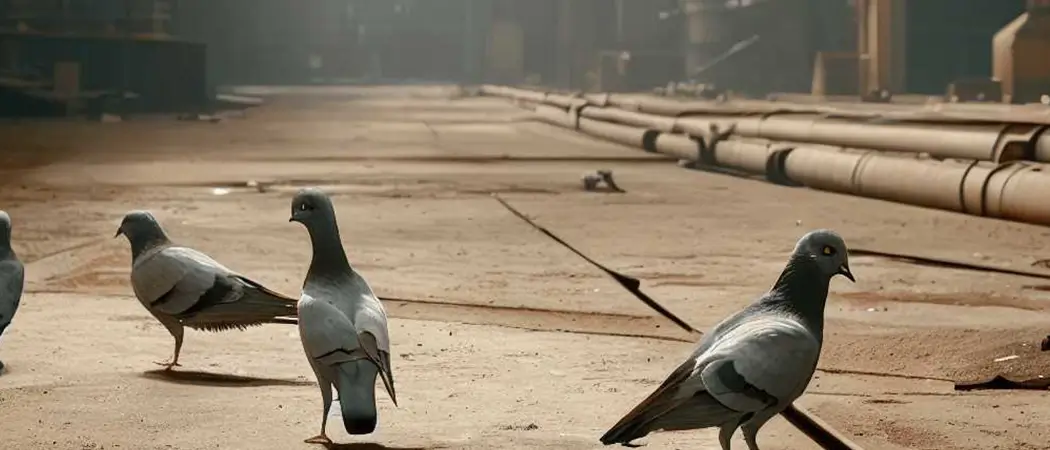
A factory shed is close to ideal pigeon habitat: high sheltered steel, warmth from the process below, no predators and nobody at that level except during shutdown. EOT crane gantries, roof monitor frames, purlins, duct runs and cable trays give continuous perch across the whole span. Flocks are site-loyal and breed up to six times a year, so the pair that arrived at one end of the shed will occupy the whole roof within a season. Partial netting just relocates them.

Droppings on WIP, Machined Parts & Paint

The direct cost centre. Droppings on machined or ground surfaces cause pitting and flash rust, and the part goes to rework or scrap. In a paint shop a single contaminant between coats means a rejected panel and a reprocess. On textile floors droppings on yarn, fabric or finished rolls are unrecoverable. On electrical panels and control cabinets the uric acid tracks across terminals and causes intermittent faults nobody can trace.

Nesting Near Hot Surfaces & Panels

Nests build up on the warmest, most sheltered steel in the shed - which is usually directly above ovens, furnaces, compressors, light fittings and MCC panels. Dry organic matter in those positions is a straightforward fire load. Nests also block roof drains and turbo ventilators, which is how you get monsoon ingress over machinery and burnt-out extract motors in the same month.

Worker Safety, Downtime & Audits

Wet droppings on gantry walkways, mezzanine stairs and shop floor aisles are a recorded slip hazard, and safety auditors treat them as one. Bird debris in machine guarding, coolant tanks and conveyor paths causes jams and unplanned stoppages. OEM and customer audits - IATF, ISO, retailer or brand-specific - score visible bird activity as housekeeping and contamination failures, and the finding lands on the plant head rather than on maintenance.

Site Reality

Where Birds Get Into Factory Sheds

The openings are the same in almost every shed we survey, and they are all a consequence of how Indian industrial buildings are built rather than of neglect.

Gable ends, ridge vents and roof monitors

The classic factory opening. North-light glazing, ridge ventilators and gable louvres are designed for airflow and daylight, and the bird mesh either was never fitted or corroded away years ago.

Material handling doors and truck bays

Shutters stay open for the whole shift for raw material and despatch movement. Birds follow the forklifts and hand trolleys straight in, then climb to the roof steel.

Turbo ventilators and exhaust cowls

Roof extractors with damaged mesh are direct openings into the shed. Nests inside the cowls also choke airflow and cook the bearings.

EOT crane gantry and roof steel

Not an entry point but the reason they stay. The gantry girder, its walkway and the purlins above it give unbroken horizontal perch running the full length of the bay, directly over machines and WIP.

Utility yards, scrap bays and canteen waste

Scrap and swarf yards, coolant and effluent areas and canteen waste points are the food and water source keeping the flock resident. Proof the shed without addressing these and pressure simply rebuilds.

Industrial bird netting installed across a manufacturing shed roof structure
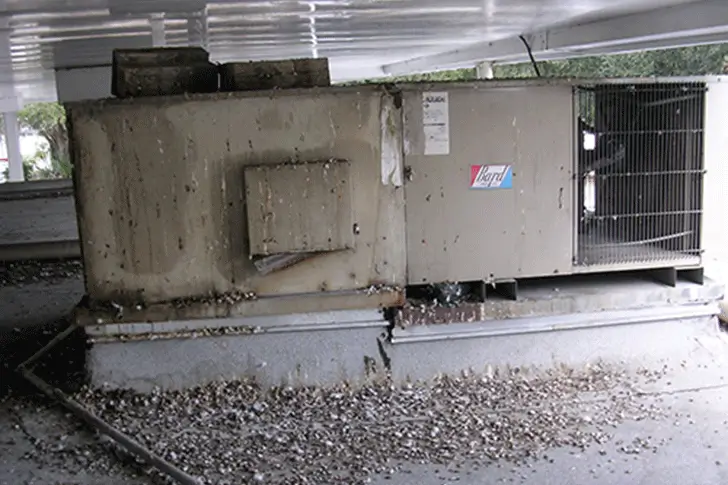
Bird debris causing machinery breakdown in a manufacturing plant
Compliance

The Standards That Ask About Birds

Manufacturing plants are audited by customers more often than by regulators, and every one of those frameworks reads visible bird activity as evidence of a process that is not under control.

IATF 16949 & OEM Audits

Automotive customer audits score contamination control and housekeeping on the shop floor, including debris and droppings over WIP.

ISO 9001

Requires the work environment to be controlled and suitable for conforming product, with evidenced preventive maintenance.

ISO 45001 & Factory Act

Droppings on walkways, stairs and gantries are a recordable slip hazard; nesting near panels is a recorded fire risk.

ISO 14001 & Pollution Board

Waste, scrap and effluent housekeeping - the very areas that sustain bird populations - fall under environmental compliance.

Feather Guard is ISO, HACCP and GMP certified - the contractor working above your lines is held to the same discipline your OEM holds you to.

The Solution

What We Install in Manufacturing Plants

Seal the shed, then remove the perches above every process. On most plants that means roof netting plus spikes on the gantry and service runs, with a laser unit covering the scrap and utility yards. The survey sets the mix.

High tensile bird netting spanning a manufacturing shed roof

Industrial Bird Netting

The backbone of any factory programme. High-tensile UV-stabilised HDPE mesh on stainless cable, spanned under the roof sheet or across the truss line so the entire roof volume becomes unavailable in one coordinated pass. Purely physical - nothing for a flock to habituate to. Installed taut and flush, because a slack net over a machining bay becomes a debris shelf that drops swarf and droppings later. Spans over 40 metres are routine.

Explore Industrial Bird Netting
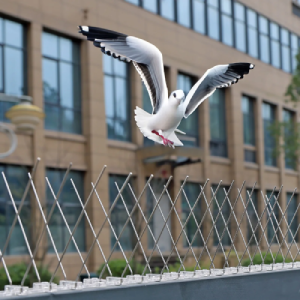
Bird spikes installed on a factory crane gantry and purlins

Bird Spikes

For the linear perches netting cannot economically cover - EOT crane gantry girders and walkways, purlins, duct runs, pipe racks, cable trays, light fittings, panel canopies and signage. Blunt-tipped and humane: the landing is denied without injuring the bird or the technician working the gantry. Stainless steel in wash-down, coolant and coastal environments, UV polycarbonate elsewhere. Captive, counted fixings so nothing can drop into a machine.

Explore Bird Spikes
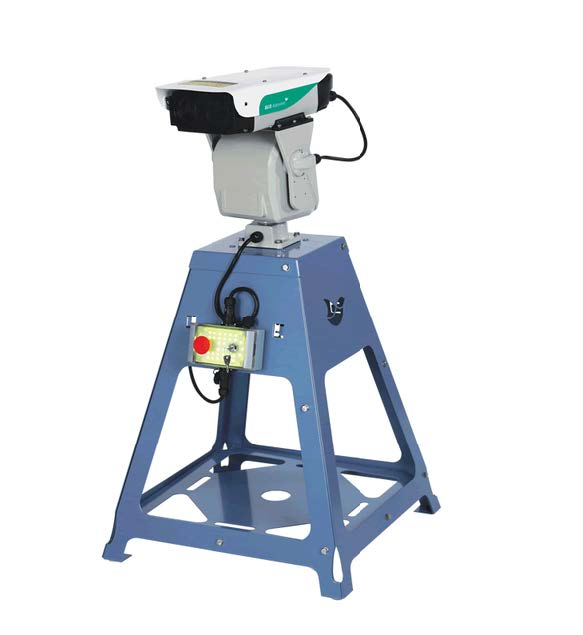
Automated laser bird deterrent covering a factory scrap yard and roof

Laser Bird Deterrent

For the open areas that keep the flock on site - scrap and swarf yards, raw material stockyards, roof surfaces, ETP and coolant areas, tank farms and boundary sheds. An automated head sweeps a programmed green pattern that birds read as an approaching object and leave. Silent, no consumables, no habituation issue, and most effective at dawn and dusk when the flock decides where to settle.

Explore Laser Deterrents
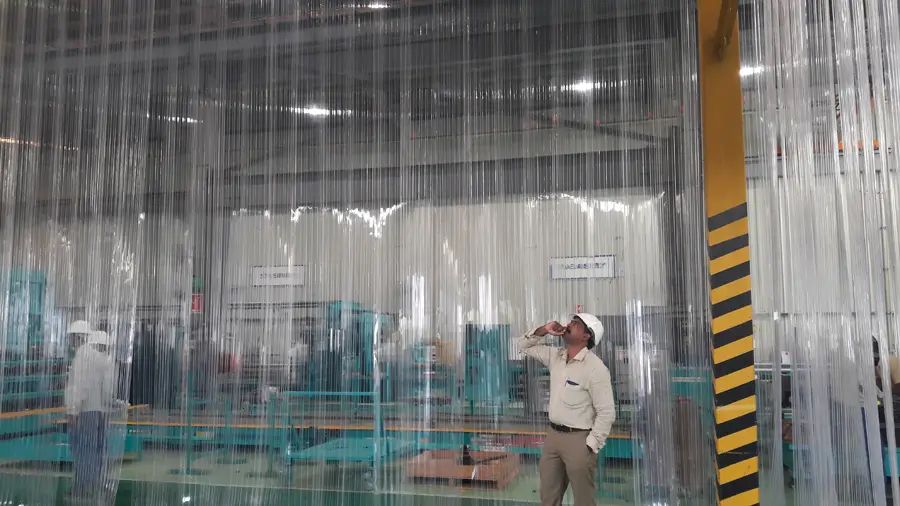
Transparent PVC strip curtains on a factory material handling door

PVC Strip Curtains

The opening netting cannot close. Transparent strip curtains let forklifts, trolleys and material movement straight through a bay door while keeping birds, flying insects and dust out - and they hold shop floor temperature and reduce weld flash spill at the same time. Replaceable strip by strip when one gets clipped. Usually the cheapest single improvement on a material handling door.

Explore PVC Curtains
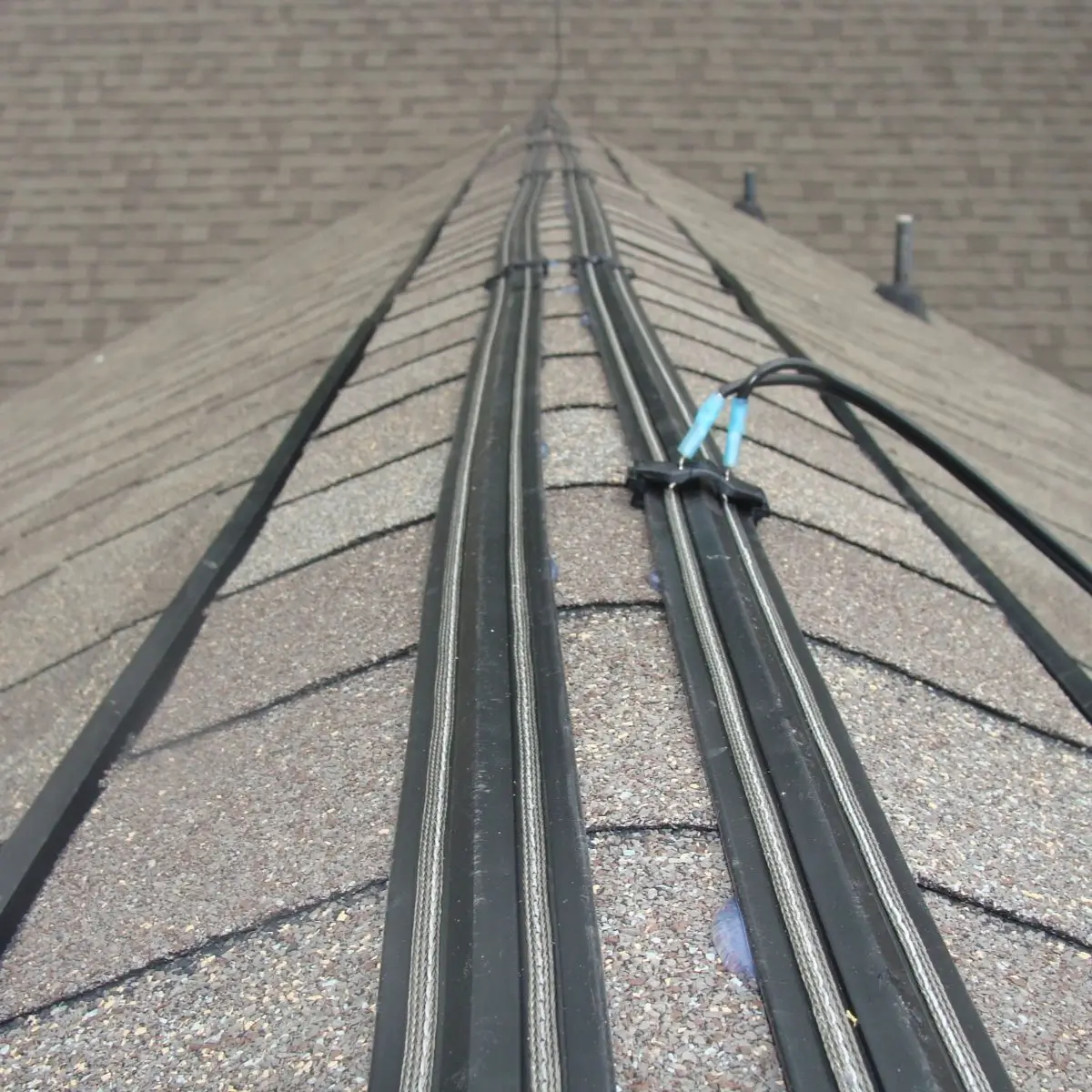
Bird shock track installed on a factory administrative block ledge

Bird Shock Track

A low-profile track that delivers a harmless static pulse the instant a bird lands, teaching the flock to abandon the position rather than merely blocking it. That behavioural effect clears the legacy roosts that have been spiked over repeatedly. Almost invisible from ground level, so it suits the admin block, gatehouse, canopy edges and any customer-facing elevation.

Explore Bird Shock Track
Nearly invisible bird netting on a factory administrative block facade

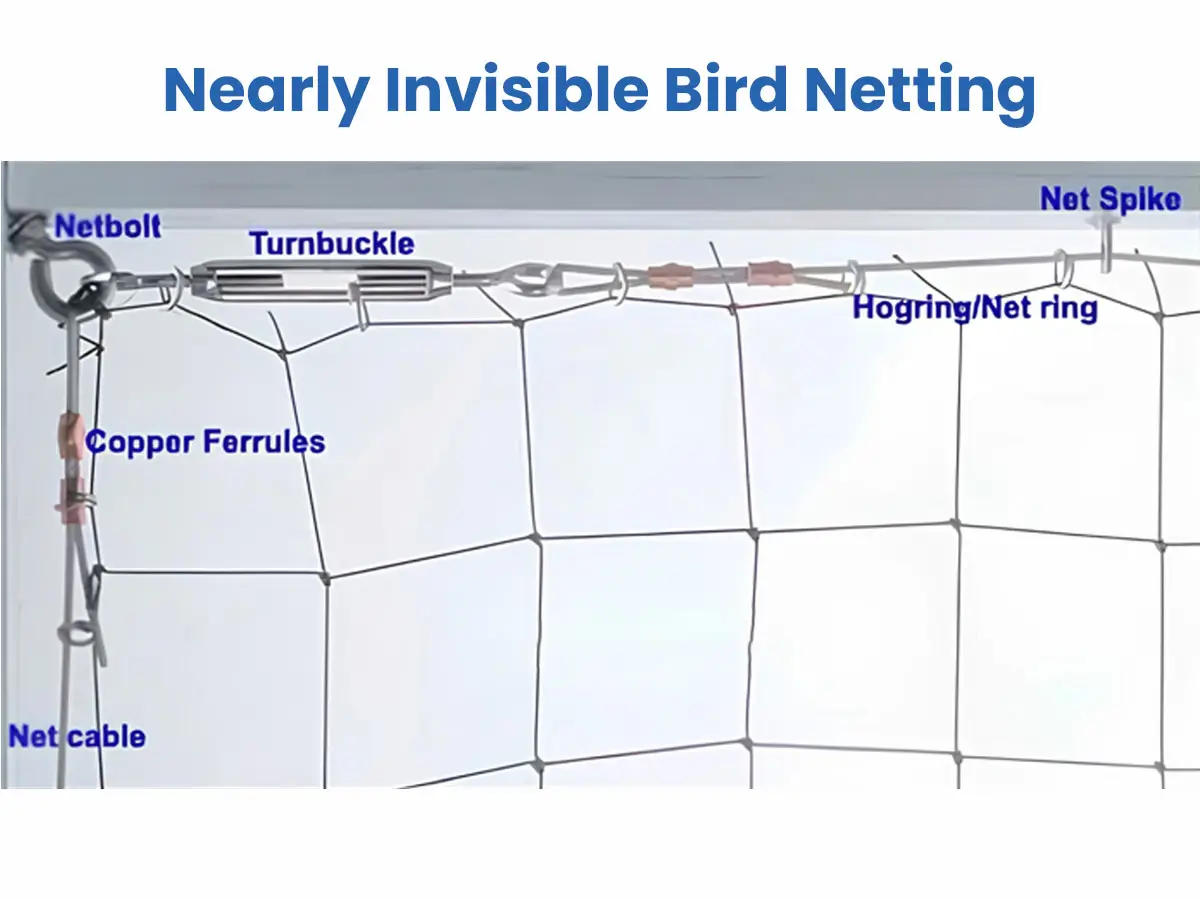
Nearly Invisible Bird Netting

For the elevations your customers and auditors actually walk past - admin blocks, glazed facades, reception canopies, showrooms and visitor routes. Fine-gauge low-reflectance mesh that reads as empty space from a few metres away while excluding birds completely. Used wherever a standard industrial net would look wrong on the frontage of the plant.

Explore Nearly Invisible Netting
Zone by Zone

Which Solution Goes Where

Condensed from our manufacturing survey reports. Your layout and process mix will differ, but this is how a typical engineering or auto component plant gets covered.

Swipe the table sideways to see all three columns.

Zone Main Risk Recommended Solution
Machine shop & CNC bays Droppings on machined surfaces causing rework and flash rust Roof netting + spikes on purlins, gantry and cable trays
Paint shop, booth & oven line Contaminant between coats - rejected panels and reprocess Sealed roof void netting + spikes on all service runs above
Assembly line & sub-assembly Debris into open assemblies and fastener bins Full-span netting + shock track on internal ledges
WIP, FG store & despatch bay Contaminated stock and packaging, birds entering with vehicles Roof netting + PVC strip curtains on bay doors
EOT crane gantry & roof steel Continuous perch directly above machines and WIP Spikes on girder, walkway and purlins + net exclusion above
Roof monitors, north light & ridge vents Primary entry route into the shed Mesh proofing of every opening + net closure at junctions
MCC rooms, panels & light fittings Nesting on hot and electrical surfaces - fire risk Netting the void + spikes on panel canopies and fittings
Utility block, compressor & boiler house Nesting near hot surfaces, blocked ventilation Spikes and netting on structural steel + cowl mesh proofing
Scrap yard, swarf bay & ETP Food and water source sustaining the whole flock Laser deterrent + housekeeping + netting on covered structures
Admin block, canteen & gate frontage Bird activity in front of OEM auditors and customers Nearly invisible netting + shock track on ledges
How We Work

From First Walk to Customer Audit

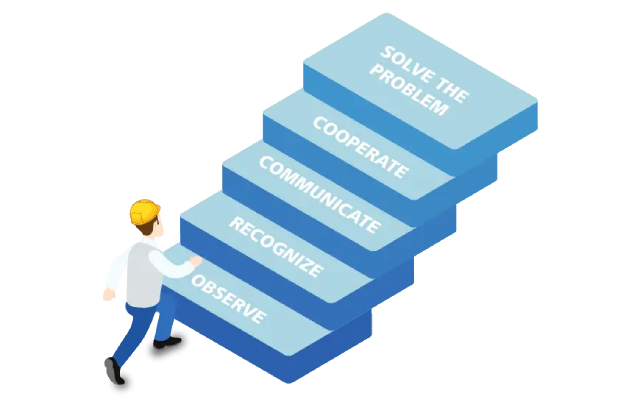
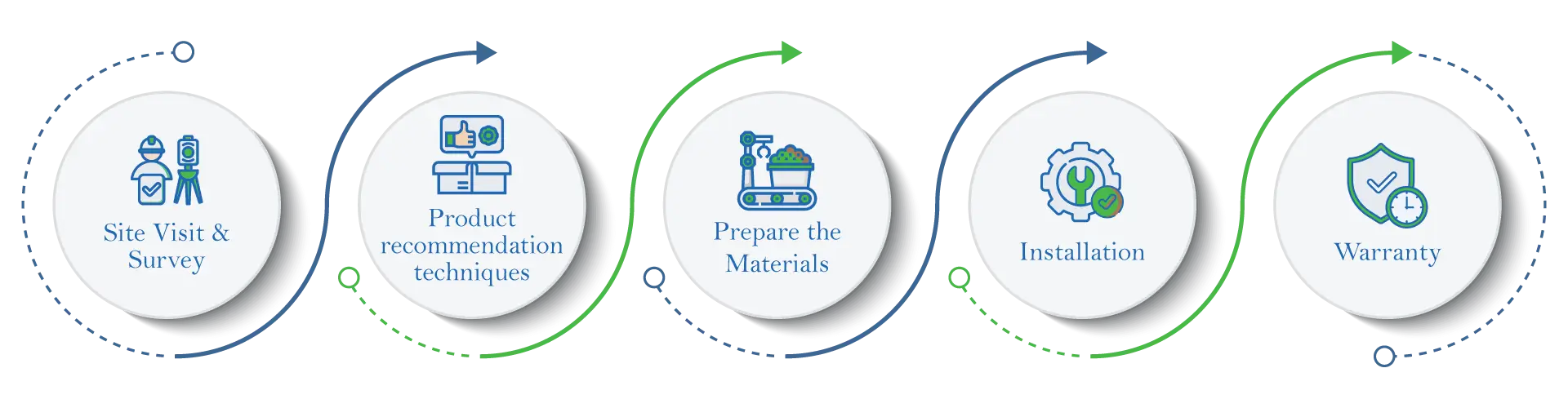
Netting a live factory shed is a sequencing exercise before it is a materials exercise. This is the order we follow, and a skipped step is usually why the previous contractor's work did not last.

1

Site survey and bird pressure mapping

We walk the shed at dawn or dusk when birds are actually settling, identify the species, count roosting and nesting positions, and mark every opening bay by bay on your layout. The map is yours whether or not you appoint us.

2

Risk ranking against your processes

Findings are ranked by what sits underneath. A roost over the paint line or an open assembly gets closed before a roost over a car park, whatever the relative mess looks like.

3

Span, access and crane coordination

Roof netting is a structural and access problem. We verify what purlins and trusses can carry, design the cable grid and anchors accordingly, and plan lift positions and crane lock-outs with your maintenance team.

4

Nest clearance and clean-down

Nests, eggs, droppings and contaminated debris are removed and bagged by technicians in PPE, and the steel is cleaned before exclusion goes up. We never close a roof with birds still inside it.

5

Bay-by-bay installation around your shifts

Work moves one bay at a time during shutdowns, weekly maintenance days or night shifts. Machines and lines below are sheeted, tools are tethered and counted in and out, and each bay is handed back cleaned.

6

Handover, AMC and trend reporting

You get marked-up drawings, mesh and hardware specifications, anchor details, warranties and dated before-and-after photographs. AMC clients receive periodic inspection reports and activity trends - the evidence an OEM auditor asks for.

Feather Guard technicians conducting a Gemba survey in a manufacturing plant
Feather Guard bird control process flow for manufacturing facilities

Why Manufacturers Stay With Us

  • 52+ years in Integrated Pest Management, factory sheds throughout
  • ISO, HACCP and GMP certified contractor
  • Large-span roof netting and crane gantry work handled as routine
  • Installation over live lines without stopping production
  • No poisons, gels, adhesives or trapping - exclusion only
  • Captive, counted fixings so nothing drops into a machine or an assembly
  • Handover documentation built for IATF, ISO and OEM audits
Sectors We Cover

Manufacturing Sectors We Bird Proof

FAQ

Bird Control in Manufacturing Plants - Common Questions

Yes. Most of our factory work happens over live lines. We move bay by bay, sheet off the machines and conveyors below the working zone, tether and count all tools in and out, and hand each bay back cleaned at the end of the shift.

Some positions genuinely need the line down or the crane locked out - directly above an open assembly station or inside a paint booth, for instance. Those we schedule into your weekly maintenance day or shutdown window. On a typical shed that is a handful of hours, not weeks.

Carefully, and always with your maintenance team. The gantry girder and its walkway are usually the single worst roost in the shed, so they have to be dealt with - but the crane has to keep working.

In practice we plan the netting line and anchor positions clear of the crane's swept envelope, and we do the spiking on the girder and walkway under a formal lock-out during your maintenance window. The net itself is set above or outside the crane path so it never fouls the trolley or the hook.

No. Bird mesh and netting are open-weave - the mesh we use passes daylight and air with minimal obstruction, and where a roof monitor or ridge vent is designed for a specific air change rate we calculate the free area of the mesh against it before specifying.

Turbo ventilators are a common misunderstanding. Proofing them correctly with the right mesh does not reduce their extraction; leaving them open until a nest packs the cowl absolutely does, and it burns the motor out as well.

Total exclusion above the process, and nothing that can shed. The roof void or ceiling space above the booth and flash-off line gets fully netted so no bird can occupy it, and every service run above - ducts, trays, lighting - gets spiked so there is no perch left in the volume.

We also avoid anything fibrous or adhesive in that zone. HDPE mesh does not fibrillate, hardware is stainless, fixings are captive and counted. In a paint shop a fixing that backs out is as bad as the bird.

No. Large-span, high-eaves sheds are the work we do most. We handle spans over 40 metres and eaves heights well beyond 18 metres as routine, using cable grids designed against the actual purlin and truss capacity rather than a standard detail.

What matters more than height is the roof structure and the access. We survey both before quoting, so the price you get reflects the anchoring your building actually needs.

Yes, and it is the finding most safety auditors react to fastest. A nest is dry grass, twigs, feathers and droppings sitting on or beside a warm surface. Built on a panel canopy, a busbar enclosure, a light fitting or above an oven, it is fuel in exactly the wrong place.

Droppings add a second mechanism: uric acid is conductive and corrosive, so it tracks across terminals and causes intermittent faults that are very hard to diagnose. Several of the plants we work with came to us after chasing an unexplained trip for months.

Because both rely on frightening a bird that has already decided your shed is home. Pigeons habituate fast: reflective tape, plastic owls and untuned ultrasonic boxes typically buy two to six weeks before the flock works out nothing bad actually happens.

Exclusion does not depend on the bird's judgement. A net either lets a bird through or it does not. That is why every programme we design starts with physical exclusion and uses deterrence only where sealing is genuinely impossible - large open yards, mostly.

Auto components and OEM assembly, engineering and heavy fabrication, textile spinning and processing mills, plastics and packaging conversion, chemical and speciality chemical plants, foundries and forging units, cement and building products, electricals and electronics, and general GIDC and MIDC industrial estates.

Bitco has been in Integrated Pest Management since 1972 and industrial sheds have been core work throughout. Sector references are available on request.

Next Step

Start With a Free Site Survey

Send us your plant location and we will walk the shed at the hours birds are actually settling - including the gantry level and roof monitors nobody inspects between shutdowns. You get a bird pressure map, a bay-by-bay recommendation ranked against your processes, and a written scope. No obligation, and the map is yours either way.

Prefer to see it work first? Take the risk-free demo: we proof one bay or one critical area of your choice and you pay only after you are satisfied with the result.

Book Your Free Survey

WHY CHOOSE US

Expertise That Sets Us Apart

Experienced & Trained Technician

With years of industry experience, we offer trusted, professional bird and Integrated Pest Management solutions backed by a proven track record.

100% ERP & Insured Staff

With 100% ERP integration, we’ve enhanced our operations, made informed decisions, and continue delivering top-tier solutions to our clients.

Labour Law Complied

Our services strictly adhere to labor law regulations, ensuring legal compliance, fair practices, and protection for both staff and clients.

Focused Industry Solution

We provide focused industrial solutions tailored to your specific needs, ensuring efficiency, reliability, and optimized performance in every operation.

Maintain Safety

We prioritize safety on-site by ensuring that all our products are completely safe for humans. Our commitment to non-harmful solutions reflects our dedication

Customized Solution

Every client’s needs are unique. We provide customized solutions based on the specific requirements of your premises and bird pressure levels

Innovative Technology

We use cutting-edge bird proofing devices like ultrasonic repellents, bird spikes, and laser deterrents, ensuring the most advanced and effective solutions

Long-Lasting Protection

Our products, such as UV-treated bird nets and durable spikes, are designed to last for years, providing cost-effective, low-maintenance protection

Guaranteed Results

We provide 100% effective, long-lasting solutions to keep your property safe from birds like pigeons, ensuring peace of mind.


Risk-Free Demo:
Experience Our Services

We propose to offer you a DEMO of our Bird Proofing Solutions in any critical area identified by you, billing for which would be done only after your positive feedback on completion of evaluation period of may be 1 month.

TRUSTED BY INDUSTRY LEADERS

Our Esteemed Clients

Locations we Serve

Ahmedabad | Amreli | Anand | Aravalli | Banaskantha | Bharuch | Bhavnagar | Bhuj | Botad | Champaner | Chanasma | Chhota Udaipur | Chikhli | Dabhoi | Dahod | Dang | Deesa | Devbhoomi Dwarka | Dharampur | Dholera | Dudhrej | Gandhidham | Gandhinagar | Gir Somnath | Godhra | Gondal | Idar | Jamnagar | Jetpur | Junagadh | Kalol | Khambhat | Kheda | Kutch | Lakhpat | Mahisagar | Mandvi | Mehsana | Morbi | Nadiad | Narmada | Navsari | Panchmahal | Palanpur | Palitana | Patan | Porbandar | Radhanpur | Rajkot | Sabarkantha | Saputara | Siddhpur | Songadh | Surendranagar | Surat | Tapi | Vadnagar | Vadodara | Valsad | Vapi | Veraval | Vyara | Wankaner

Agra | Aligarh | Allahabad (Prayagraj) | Amritsar | Amroha | Aurangabad | Bengaluru | Bhopal | Chandigarh | Chennai | Coimbatore | Delhi | Dhanbad | Faridabad | Firozabad | Gurgaon | Guwahati | Gwalior | Hubli-Dharwad | Hyderabad | Indore | Jabalpur | Jaipur | Jodhpur | Kalyan-Dombivali | Kanpur | Kolkata | Lucknow | Ludhiana | Madurai | Meerut | Moradabad | Mumbai | Nagpur | Nashik | Patiala | Patna | Pune | Raipur | Siliguri | Solapur | Srinagar | Thane | Varanasi | Vasai-Virar | Vijayawada | Visakhapatnam

Andhra Pradesh | Arunachal Pradesh | Assam | Bihar | Chhattisgarh | Goa | Gujarat | Haryana | Himachal Pradesh | Jharkhand | Karnataka | Kerala | Madhya Pradesh | Maharashtra | Manipur | Meghalaya | Mizoram | Nagaland | Odisha (Orissa) | Punjab | Rajasthan | Sikkim | Tamil Nadu | Telangana | Tripura | Uttar Pradesh | Uttarakhand | West Bengal