





Bird Control for Farms & Poultry

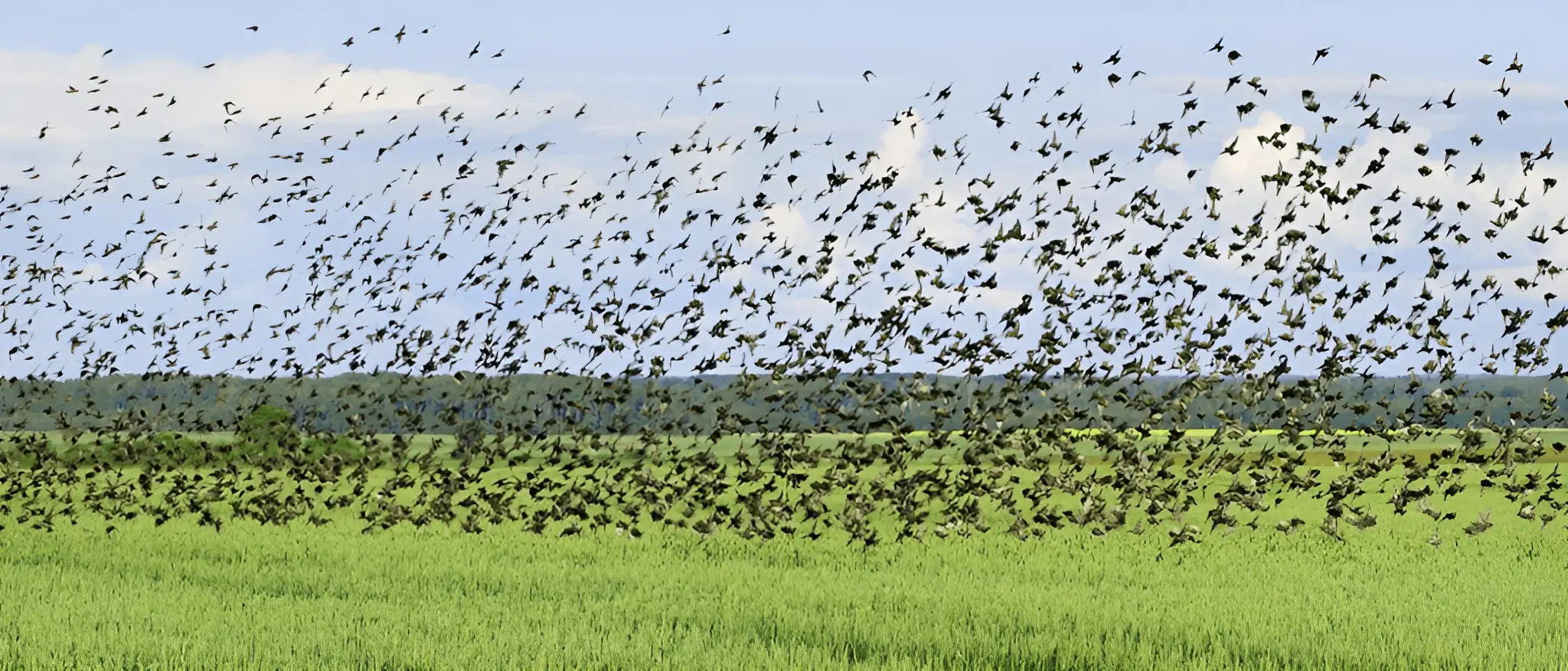
Wild birds inside a farm shed creating a biosecurity and feed contamination risk
Agriculture & Poultry

Wild Birds Are a Biosecurity Breach, Not a Nuisance

On a poultry farm, wild birds are not a housekeeping issue. Sparrows, mynas, crows and pigeons moving freely between your feed store, your sheds and the pond outside are the most under-managed disease vector on most Indian farms - and every biosecurity protocol you follow at the gate is undone by a shed a bird can walk into.

Feather Guard by Bitco Integrated Pest Management LLP has been working on agricultural and poultry sites since 1972 - broiler and layer farms, hatcheries, feed mills, dairies, orchards and vineyards, grain stores and agri godowns. We net sheds and feed structures, and we supply laser, sonic and cannon deterrents for the open ground netting cannot cover.

The order matters. Feed and water are what bring wild birds onto a farm, so we start there - the feed store, the silo, the spillage, the mill - before we touch anything else. Proof the sheds and leave the feed exposed and the pressure simply rebuilds.

Poultry farm biosecurity bird proofing icon
Biosecurity-Led Design
Non-toxic humane bird control for farms icon
No Poisons or Baits
UV stabilised netting for open farm conditions icon
Built for Open Sites
The Problem

What Wild Birds Actually Cost a Farm

Three of these four are quiet, cumulative losses you can budget around. The first one is the reason farms call us at short notice.

Wild Bird Biosecurity Risk

This is the whole reason bird proofing belongs in a farm's biosecurity plan rather than its maintenance budget. Wild birds are recognised carriers and mechanical vectors of avian influenza, Newcastle disease, infectious bronchitis, Salmonella, E. coli, Campylobacter and Mycoplasma. A sparrow that feeds in your shed, drinks at the farm pond where migratory waterfowl land, and returns the same afternoon has bypassed every footbath, gate control and vehicle wash on the property. During an AI alert, an open shed is also the finding that determines whether you are treated as a controlled farm or a suspect one.

Feed Loss & Contamination

The cost nobody meters. A resident sparrow colony on a commercial layer farm consumes a genuinely significant volume of feed over a cycle, and they are selective - they take the fines and the premix, so the birds that need it get a poorer ration than you formulated. Droppings in feed troughs, silo tops, feed store sacks and mixer intakes add a contamination route straight into the ration. On feed mills the same load reaches finished product going out to other farms.

Nesting in Sheds, Feed Stores & Hatchery

Nests build up in shed trusses and ridge space, above feed store racking, in silo ladders and platforms, inside exhaust cowls and in the false ceiling of the egg grading room. Dry organic matter in those positions carries mites, lice, darkling and larder beetles into your birds and your stored product. Nests block roof drains and ventilation, and in a hatchery or grading room they are a direct hygiene failure at the point where product is handled.

Crop, Orchard & Grain Damage

On the cropping side of the business the loss is visible and seasonal. Parakeets, mynas and bulbuls strip fruit in orchards and vineyards at exactly the wrong time - pecked fruit is unsaleable even when the damage is superficial, and it invites rot and fruit fly into the rest of the crop. On grain platforms, drying yards and open godowns pigeons and doves take volume directly and contaminate the rest.

Site Reality

Where Wild Birds Get Onto Farms

Farms are open by design, which makes total exclusion impossible and prioritisation essential. These are the five points we address first, in this order.

Feed store, silo tops and mixing area

The first place we look, because it is the reason the birds are there. Open sack storage, spillage around the mixer, unmeshed silo ladders and platforms and an open store door give a permanent food supply that sustains the whole population.

Open-sided shed curtains and side netting

Environmentally controlled sheds are relatively easy; open-sided sheds are the challenge. Torn or badly fitted side curtains, gaps at the curtain roll, and side netting with holes or the wrong mesh size let sparrows in and out all day.

Shed ridge, gable ends and exhaust cowls

The ridge vent line, gable triangles and fan housings are almost never meshed properly. From the ground they look closed; from a ladder you can see straight through, and the ridge space is where nesting concentrates.

Egg collection, grading and hatchery rooms

Doors propped open for trolley movement and unmeshed exhaust points connect the outside directly to the areas where product is handled. This is the highest-consequence zone after the feed store.

Litter store, mortality pit and farm pond

Litter and manure stores, mortality disposal points and open water bodies are the other half of the attraction. Farm ponds are particularly important because they are where migratory waterfowl - the primary AI reservoir - actually land.

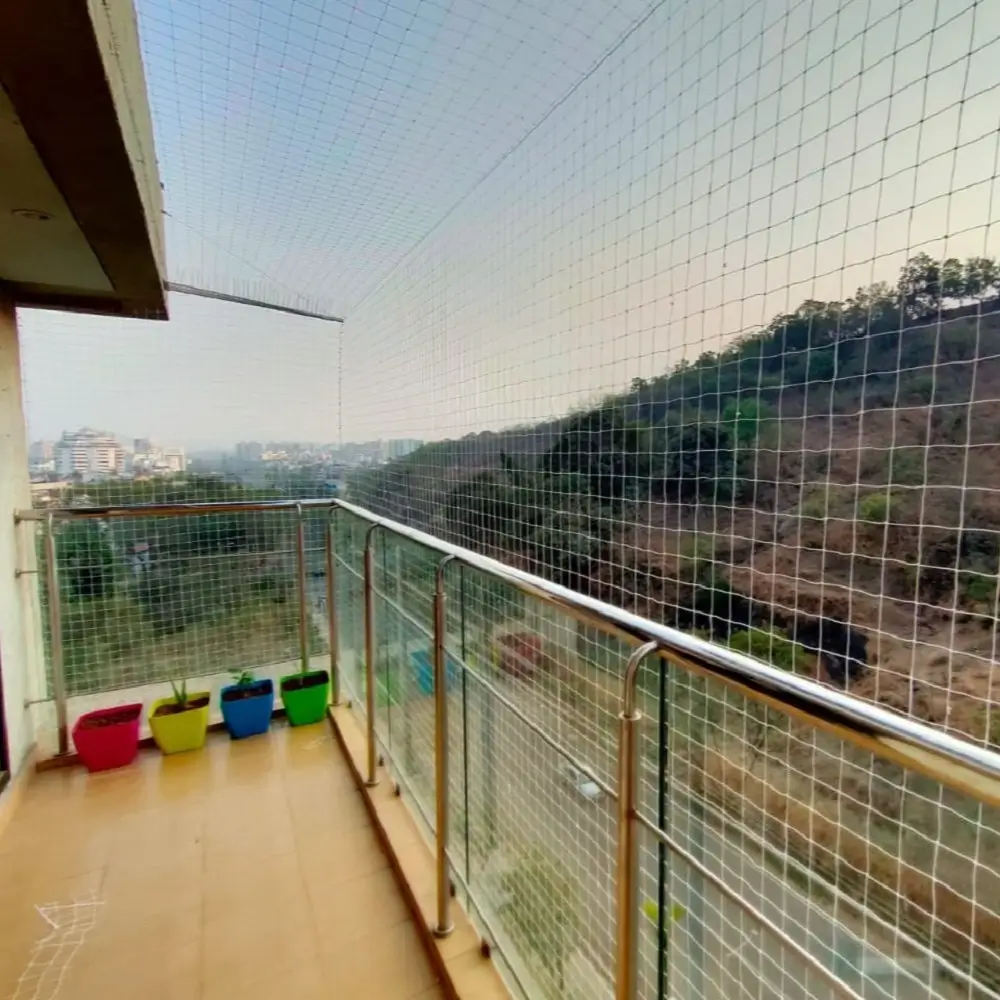
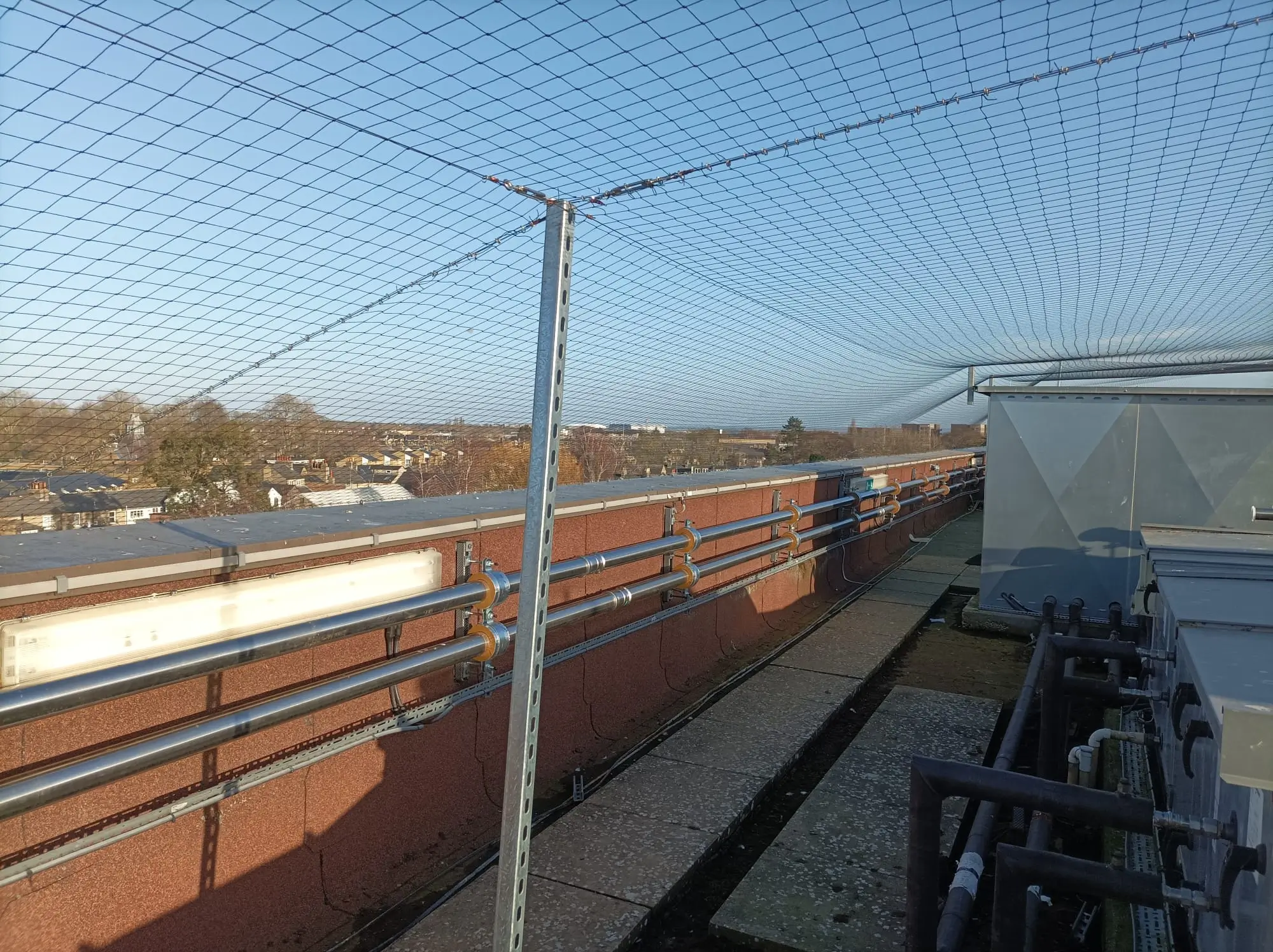
Agricultural bird netting protecting an open farm structure and feed area
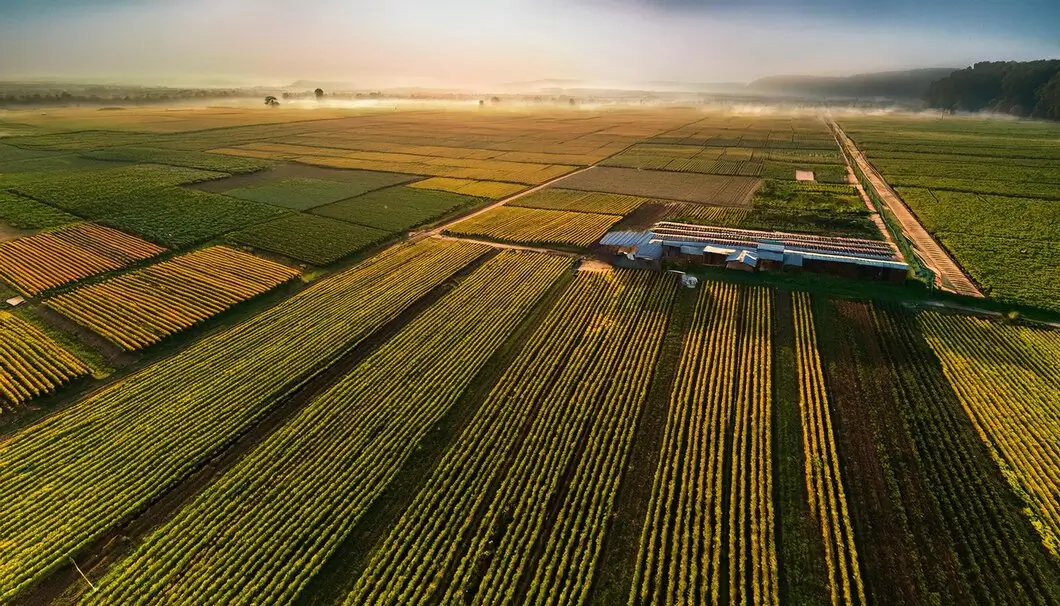
Bird netting protecting an orchard crop from parakeet and myna damage
Compliance

The Frameworks That Ask About Wild Birds

Wild bird exclusion appears in farm biosecurity guidance, in food safety law for anything you process, and in every integrator and export audit. It is a documented control expectation, not a best-practice suggestion.

DAHD Biosecurity Guidance

National avian influenza preparedness and farm biosecurity guidance require wild bird exclusion from sheds, feed and water.

FSSAI Schedule 4

Applies to egg grading, meat processing and feed manufacture - requires measures preventing bird entry into handling and storage areas.

APEDA & Export Audits

Export of poultry, egg products and fruit is subject to buyer and destination audits that check bird exclusion and biosecurity records.

ISO 22000 & Integrator Audits

Integrator and contract farming agreements typically specify biosecurity standards including wild bird control, with documented evidence.

Feather Guard is ISO, HACCP and GMP certified - and every method we use is non-lethal, which matters when several species on your land are protected under the Wildlife Protection Act.

The Solution

What We Install on Farms & Poultry Units

Exclude wild birds from feed, water and product first. Net what can be enclosed, then cover the open ground with deterrents. On a working farm the honest answer is a mix - no single product covers a site that is open by design.

Bird netting installed on a poultry shed and feed store structure

Agricultural Bird Netting

The core of any farm programme. UV-stabilised HDPE mesh, sized to the actual target species - sparrow-grade mesh where sparrows are the problem, because a pigeon net simply lets them through. Used on open-sided shed elevations, feed store openings, silo platforms, egg grading and hatchery rooms, and over orchard and vineyard rows. Tensioned properly so it survives wind loading on an exposed site, and rated 8 to 10 years outdoors.

Explore Bird Netting
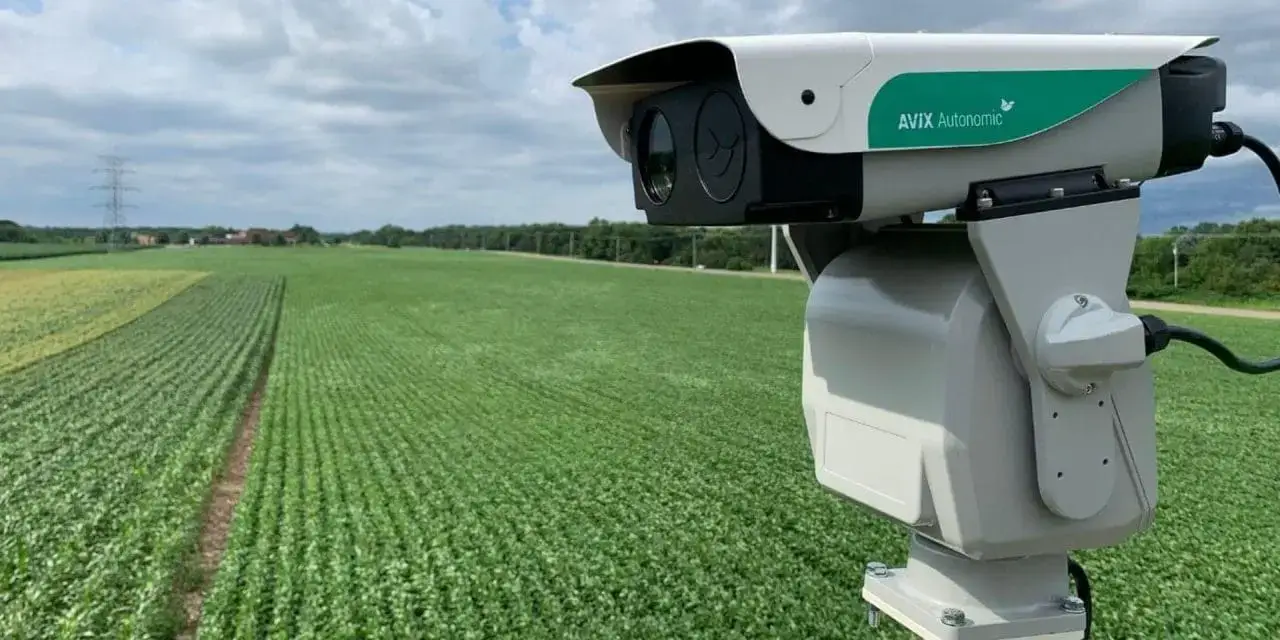
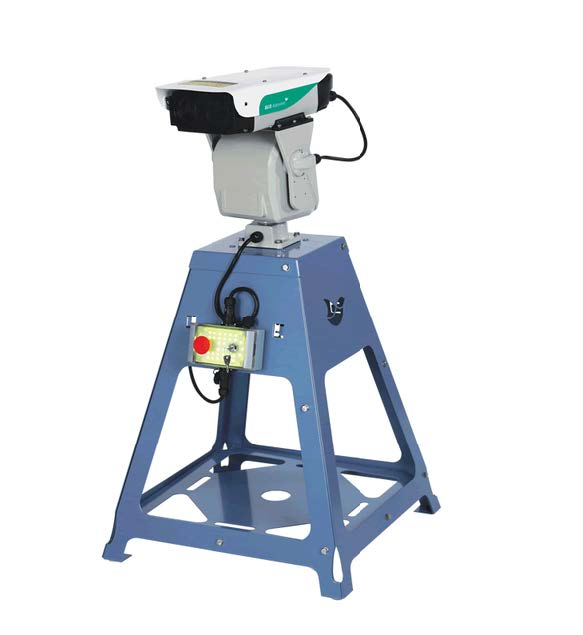
Automated laser bird deterrent covering open farm fields and feed yards

Laser Bird Deterrent

The workhorse for open ground - feed yards, silo clusters, drying platforms, orchards, field crops, litter areas and farm ponds. An automated head sweeps a programmed green pattern that birds read as an approaching object and leave. Silent, so it does not stress your flock; chemical-free, so nothing enters the food chain; and strongest at dawn and dusk when wild bird movement onto the farm actually peaks.

Explore Laser Deterrents
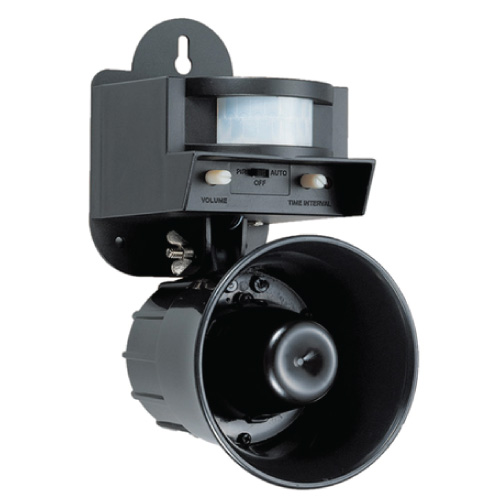
Sonic bird repellent protecting a farm feed store and open shed

Sonic Bird Repellent

Species-specific distress and predator calls that make an area read as unsafe to the target birds. Suited to feed yards, open sheds, grain platforms and orchard blocks, and zoned and timed so it works on wild birds without disturbing your own flock or your neighbours. We are straight about the limits - calls need rotating to prevent habituation, and it supports exclusion rather than replacing it.

Explore Sonic Repellents
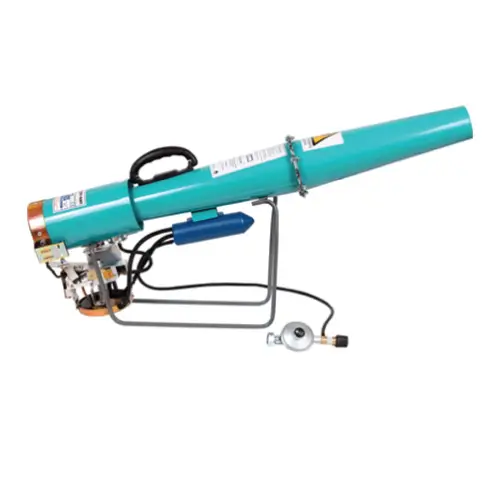
Bird scare cannon deterrent protecting open field crops on a farm

Bird Scare Cannon Gun

For the large field-scale problems nothing else reaches economically - standing crops at grain fill, sunflower and maize blocks, drying yards, and orchards under heavy parakeet pressure. Timed acoustic reports disperse flocking birds across many acres. Timing and siting are set to your cropping calendar and to local noise sensitivities, and it is rotated with other methods so birds do not learn the pattern.

Explore Scare Cannons
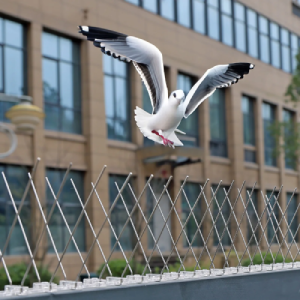
Bird spikes installed on farm shed trusses and feed silo ledges

Bird Spikes

For the linear perches netting cannot cover - shed truss ledges, purlins, feed line and drinker line supports, silo ledges and ladders, cable runs, light fittings and gate structures. Blunt-tipped and humane: the landing is denied without injuring the bird. Stainless steel throughout, because farm environments combine ammonia, moisture and wash-down, and coated steel does not last.

Explore Bird Spikes
PVC strip curtains fitted to a farm feed store and egg grading room door

PVC Strip Curtains

The cheapest genuine improvement on most farms. Transparent strip curtains let trolleys, feed bags and egg trays straight through a feed store, grading room or hatchery door while keeping wild birds, flying insects and dust out. Wipe-clean, replaceable strip by strip, and they hold temperature in the grading and hatchery rooms as well.

Explore PVC Curtains
Zone by Zone

Which Solution Goes Where

How a typical poultry or mixed agricultural site gets covered. Priority runs top to bottom - feed and product areas first, open land last.

Swipe the table sideways to see all three columns.

Zone Main Risk Recommended Solution
Feed store, silo tops & mixing area Permanent food source sustaining the whole population Netting all openings + silo platform mesh + PVC curtains + spillage discipline
Egg collection, grading & packing Wild birds and droppings where product is handled Full netting + PVC curtains + exhaust mesh proofing
Hatchery & setter/hatcher rooms Direct hygiene failure at the most sensitive point Sealed netting + curtains + ceiling void proofing
Open-sided broiler & layer sheds Sparrows moving freely between shed, feed and outside Sparrow-grade side netting + curtain gap closure + ridge mesh
EC sheds - ridge, gable & fan housings Hidden openings that reopen a sealed shed Mesh proofing at ridge, gables, inlets and every fan cowl
Shed trusses, feed & drinker lines Perch and nesting directly above birds and feed Spikes on truss ledges and line supports + nest clearance
Feed mill & grain intake Contamination of finished feed leaving for other farms Netting the intake and mill openings + spikes on internal steel
Drying yards & grain platforms Direct grain loss and droppings in stock Laser deterrent + sonic units + cannon at field scale
Orchards, vineyards & field crops Pecked and unsaleable fruit, grain-fill losses Row or block netting + laser + cannon rotation
Litter store, mortality pit & farm pond The other half of the attraction - and the AI reservoir Netting and covers + laser on water + disposal discipline
How We Work

From First Walk to Biosecurity Record

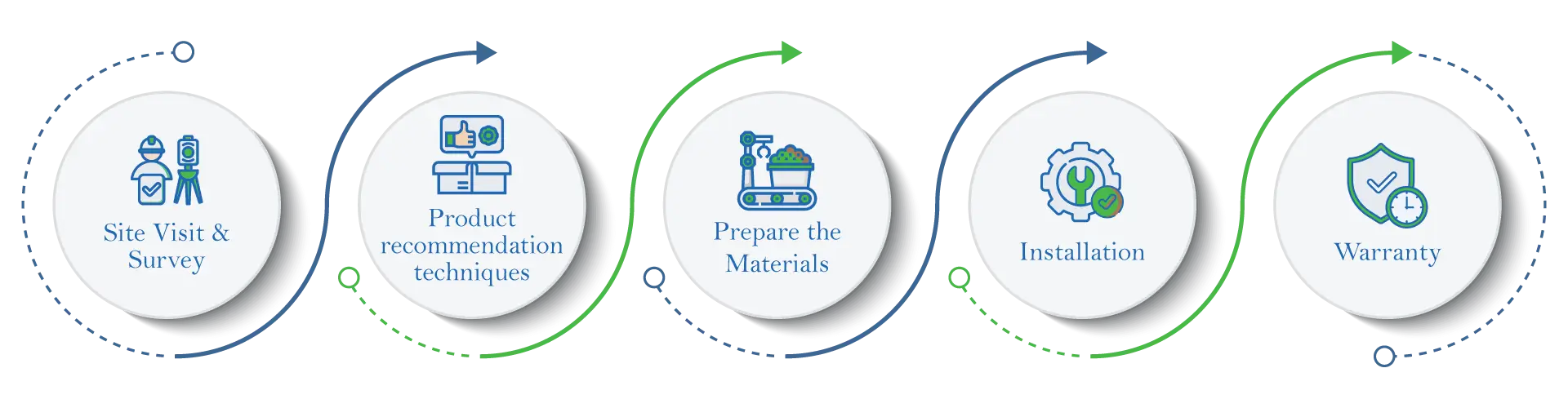
On a live farm the sequence is driven by your flock cycle and your biosecurity protocol, not by our convenience. This is how we run it.

1

Site survey and bird pressure mapping

We walk the farm at dawn and dusk when wild birds are actually moving in - sheds, feed store, silos, grading room, litter area, pond and boundary. Species, entry points and roost positions go onto your site plan. The map is yours whether or not you appoint us.

2

Feed and water source assessment first

Before any hardware is specified we identify what is feeding the population - spillage, open sacks, silo leaks, litter, mortality handling, standing water. If that is not addressed, netting the sheds will underperform and we would rather say so upfront.

3

Species-matched specification

Mesh size is chosen for the bird you actually have. Sparrows need a much finer mesh than pigeons, and a net specified for the wrong species is the single most common wasted spend we see on Indian farms.

4

Work planned around your flock cycle

Shed work is scheduled into the cleanout window between batches wherever possible - empty shed, no stress on birds, no biosecurity exposure from our crew. Feed store, silo, grading room and external work can proceed during a cycle under your protocol.

5

Our crew follows your biosecurity protocol

Downtime declarations, farm-specific clothing and footwear, vehicle wash, tool disinfection and single-site-per-day working where you require it. We would rather lose a day of productivity than be the reason a shed breaks.

6

Documentation, AMC and pre-season checks

You get marked-up site plans, mesh and hardware specifications, warranties and dated photographs for your biosecurity file. AMC covers net integrity, curtain gaps, fan cowl mesh and deterrent function, with checks timed before migratory season and before harvest.

Feather Guard team conducting a biosecurity bird survey at a poultry farm
Feather Guard bird control process flow for farms and poultry units

Why Farms Stay With Us

  • 52+ years in Integrated Pest Management, agricultural sites throughout
  • ISO, HACCP and GMP certified contractor
  • Species-matched mesh - sparrow-grade where sparrows are the problem
  • No poisons, baits, avicides or trapping - nothing enters the food chain
  • Crews work to your downtime and biosecurity protocol
  • Shed work scheduled into batch cleanout windows
  • Documentation built for your biosecurity file and integrator audits
Sectors We Cover

Farm & Agri Facilities We Bird Proof

FAQ

Bird Control on Farms & Poultry Units - Common Questions

Serious enough that wild bird exclusion appears explicitly in national avian influenza preparedness guidance and in essentially every integrator biosecurity protocol. Wild birds are recognised carriers and mechanical vectors of avian influenza, Newcastle disease, infectious bronchitis, Salmonella, E. coli and Mycoplasma.

The mechanism is what makes it hard to argue with. A sparrow feeding inside your shed, drinking at a pond where migratory waterfowl land, and returning the same afternoon has walked past every footbath, gate control and vehicle wash you operate. During an AI alert, an open shed is also what determines whether your farm is treated as controlled or as a suspect unit.

Because it decides whether the net works at all. Sparrows are the dominant problem species on most Indian poultry farms, and they pass straight through the 50 mm mesh normally supplied for pigeon exclusion. We see farms that have paid for a full netting job and still have sparrows in every shed, for exactly this reason.

We identify the species during the survey and specify the mesh against it - a finer sparrow-grade mesh where sparrows are the issue, coarser where the target is pigeons or crows. It costs more per square metre and it is the difference between exclusion and decoration.

Shed work we prefer to schedule into the cleanout window between batches - the shed is empty, there is no stress on your flock, and there is no biosecurity exposure from our crew being inside a populated house. On a multi-shed farm we simply follow your rotation, taking each shed as it empties.

Everything else - feed store, silos, grading room, external netting, deterrent installation - can proceed during a cycle under your protocol. Our crews work to your downtime declarations, farm clothing and footwear rules, vehicle wash and tool disinfection requirements, and single-site-per-day working where you require it.

Laser does not - it is silent, and the beam is directed at open ground, roofs and water outside the sheds, not into houses. Silence is the main reason we lead with laser on poultry sites rather than acoustic methods.

Sonic and cannon are different and need care. Both are acoustic, so we site and time them away from occupied sheds, set schedules that avoid peak feeding and lighting periods, and normally keep cannons to field and orchard blocks well away from housing. If a farm layout cannot accommodate an acoustic method safely, we will say so and design around it.

No, never, and on a farm there are three separate reasons. It puts a toxicant into an environment that produces food. A poisoned wild bird can be eaten by your own stock or by a raptor, moving the problem up the food chain. And many species you encounter - including several sparrows, mynas and raptors - are protected under the Wildlife Protection Act, so lethal control is a legal exposure as well as an ethical one.

Everything we install and supply is non-lethal: netting excludes, spikes deny perching, and laser, sonic and cannon disperse.

It depends entirely on the crop value. On high-value fruit - table grapes, pomegranate, apple, guava under heavy parakeet pressure - block or row netting usually pays back within one or two seasons, because pecked fruit is unsaleable rather than merely downgraded and the losses run high in a bad year.

On lower-value or field-scale crops netting rarely makes sense, and we will tell you that rather than quote it. There the honest answer is a laser unit plus a cannon rotated through the vulnerable window at grain fill or ripening, which costs a fraction of netting and covers many more acres.

Almost always because the feed source was never addressed. Wild birds are on your farm for food and water, not for shelter. If the feed store door stays open, sacks are stored loose, there is spillage around the mixer, or the silo ladder and platform are unmeshed, the population stays and finds the one gap you missed.

The second common reason is the curtain roll on open-sided sheds. Side netting gets fitted correctly and the gap where the curtain rolls up is left open, which is a continuous doorway at exactly sparrow height. We check both on every survey.

Broiler and layer poultry farms, breeder farms and hatcheries, feed mills and feed manufacturing units, dairy and cattle farms, orchards and vineyards, greenhouse and polyhouse operations, grain drying yards and storage godowns, and agri-processing and export packhouses.

Bitco has been in Integrated Pest Management since 1972, and agricultural and poultry sites have been part of that work throughout. We work with individual farms as well as integrators rolling a single specification across a network of contract units.

Next Step

Start With a Free Site Survey

Send us your farm location and we will walk it at the hours wild birds are actually moving in - sheds, feed store, silos, grading room, litter area, pond and boundary. You get a species identification, a bird pressure map, a priority-ordered recommendation starting with your feed source, and a written scope. No obligation, and the map is yours either way.

Prefer to see it work first? Take the risk-free demo: we proof one shed or your feed store and you pay only after you are satisfied with the result.

Book Your Free Survey

WHY CHOOSE US

Expertise That Sets Us Apart

Experienced & Trained Technician

With years of industry experience, we offer trusted, professional bird and Integrated Pest Management solutions backed by a proven track record.

100% ERP & Insured Staff

With 100% ERP integration, we’ve enhanced our operations, made informed decisions, and continue delivering top-tier solutions to our clients.

Labour Law Complied

Our services strictly adhere to labor law regulations, ensuring legal compliance, fair practices, and protection for both staff and clients.

Focused Industry Solution

We provide focused industrial solutions tailored to your specific needs, ensuring efficiency, reliability, and optimized performance in every operation.

Maintain Safety

We prioritize safety on-site by ensuring that all our products are completely safe for humans. Our commitment to non-harmful solutions reflects our dedication

Customized Solution

Every client’s needs are unique. We provide customized solutions based on the specific requirements of your premises and bird pressure levels

Innovative Technology

We use cutting-edge bird proofing devices like ultrasonic repellents, bird spikes, and laser deterrents, ensuring the most advanced and effective solutions

Long-Lasting Protection

Our products, such as UV-treated bird nets and durable spikes, are designed to last for years, providing cost-effective, low-maintenance protection

Guaranteed Results

We provide 100% effective, long-lasting solutions to keep your property safe from birds like pigeons, ensuring peace of mind.


Risk-Free Demo:
Experience Our Services

We propose to offer you a DEMO of our Bird Proofing Solutions in any critical area identified by you, billing for which would be done only after your positive feedback on completion of evaluation period of may be 1 month.

TRUSTED BY INDUSTRY LEADERS

Our Esteemed Clients

Locations we Serve

Ahmedabad | Amreli | Anand | Aravalli | Banaskantha | Bharuch | Bhavnagar | Bhuj | Botad | Champaner | Chanasma | Chhota Udaipur | Chikhli | Dabhoi | Dahod | Dang | Deesa | Devbhoomi Dwarka | Dharampur | Dholera | Dudhrej | Gandhidham | Gandhinagar | Gir Somnath | Godhra | Gondal | Idar | Jamnagar | Jetpur | Junagadh | Kalol | Khambhat | Kheda | Kutch | Lakhpat | Mahisagar | Mandvi | Mehsana | Morbi | Nadiad | Narmada | Navsari | Panchmahal | Palanpur | Palitana | Patan | Porbandar | Radhanpur | Rajkot | Sabarkantha | Saputara | Siddhpur | Songadh | Surendranagar | Surat | Tapi | Vadnagar | Vadodara | Valsad | Vapi | Veraval | Vyara | Wankaner

Agra | Aligarh | Allahabad (Prayagraj) | Amritsar | Amroha | Aurangabad | Bengaluru | Bhopal | Chandigarh | Chennai | Coimbatore | Delhi | Dhanbad | Faridabad | Firozabad | Gurgaon | Guwahati | Gwalior | Hubli-Dharwad | Hyderabad | Indore | Jabalpur | Jaipur | Jodhpur | Kalyan-Dombivali | Kanpur | Kolkata | Lucknow | Ludhiana | Madurai | Meerut | Moradabad | Mumbai | Nagpur | Nashik | Patiala | Patna | Pune | Raipur | Siliguri | Solapur | Srinagar | Thane | Varanasi | Vasai-Virar | Vijayawada | Visakhapatnam

Andhra Pradesh | Arunachal Pradesh | Assam | Bihar | Chhattisgarh | Goa | Gujarat | Haryana | Himachal Pradesh | Jharkhand | Karnataka | Kerala | Madhya Pradesh | Maharashtra | Manipur | Meghalaya | Mizoram | Nagaland | Odisha (Orissa) | Punjab | Rajasthan | Sikkim | Tamil Nadu | Telangana | Tripura | Uttar Pradesh | Uttarakhand | West Bengal