






Bird Control for Pharmaceutical Industry

Bird proofing protecting a pharmaceutical production area from contamination
Pharma & Life Sciences

Bird Proofing That Survives a WHO-GMP Audit

In a pharma plant the bird problem is almost never inside the cleanroom. It is one floor above it - on the technical deck, in the AHU plenum, on the pipe rack running into the production block. That is where pigeons roost, and that is where a dried dropping becomes an airborne particle heading for a fresh-air intake.

Feather Guard by Bitco Integrated Pest Management LLP has been proofing regulated manufacturing sites since 1972. We work with API and bulk drug units, OSD formulation blocks, injectable and sterile facilities, biotech plants and pharma warehouses across India - the sites where a pest observation lands in a regulatory report, not a maintenance register.

We treat your building envelope as part of the contamination control strategy. Survey the roof and utility levels the way a bird sees them, seal what can be sealed, deny what cannot, and hand over drawings and records that sit straight into your pest management SOP.

WHO-GMP and Schedule M compliant bird control icon
GMP & Schedule M Aligned
Non-toxic humane bird control icon
No Poisons or Gels
Documented validated bird proofing icon
Fully Documented Scope
The Problem

What Birds Actually Cost a Pharma Plant

Pharma sites rarely lose product to birds directly. They lose audit findings, requalification time and management attention - and those cost far more than the netting would have.

Industrial Pigeon Control

Pharma campuses give pigeons everything they want: large flat terraces, chiller and AHU decks, covered pipe racks, and utility structures nobody visits between shutdowns. Flocks are strongly site-loyal - once a terrace is accepted, birds return to that exact spot for years and breed up to six times annually. Spot cleaning and occasional netting patches reset nothing. The flock has to lose every landing surface at once, or it simply shifts twenty feet and carries on.

Droppings, Dust & the Air Handling Route

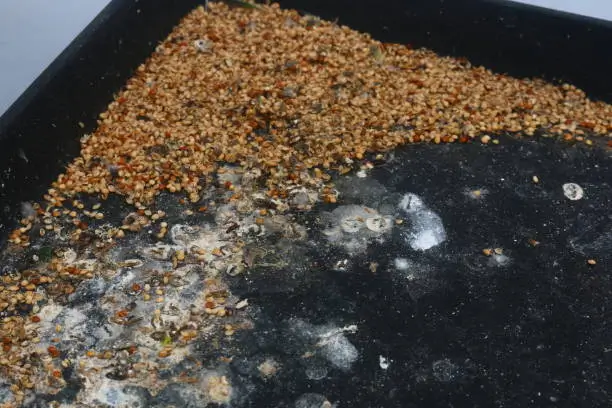
This is the finding that actually hurts. Dried droppings break down into fine particulate carrying Histoplasma, Cryptococcus, Aspergillus spores and Salmonella. Sitting on or near a fresh-air intake, that load goes straight to your AHU pre-filters - raising differential pressure, shortening filter life and putting a bioburden question mark over the air feeding a classified area. Environmental monitoring excursions traced back to a roof-level roost are more common than most plants expect.

Nesting in HVAC, Ducting & Service Voids

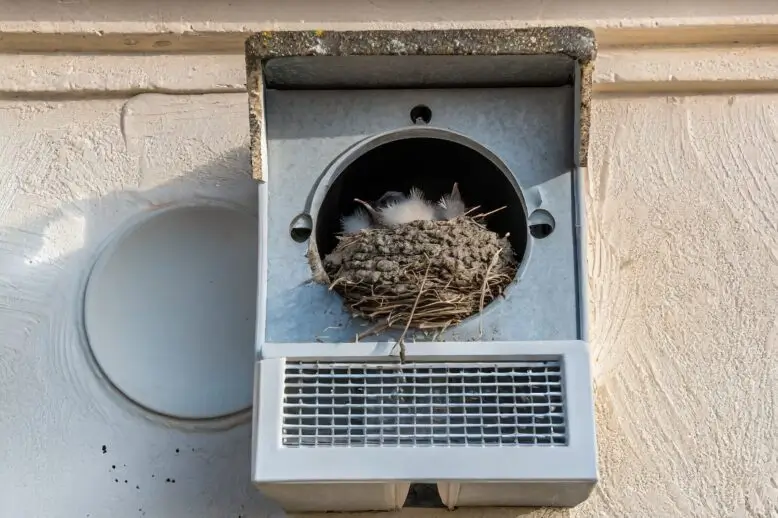
Nests turn up inside exhaust cowls, on ducting supports, in the technical floor above cleanrooms and behind facade cladding. Dry organic matter in those positions blocks airflow, overheats extract motors and brings its own pests - bird mites, carpet and larder beetles - into the service void that shares boundaries with your production block. Above an electrical panel or a lighting fixture it is a straightforward fire risk.

Cross-Contamination & Audit Non-Conformance

Schedule M, WHO-GMP and every customer audit expect pest and bird ingress to be prevented, monitored and documented. An inspector does not need to see a pigeon: droppings on a terrace parapet above the intake deck, an abandoned nest in the dock canopy, or feathers on the warehouse roof steel is enough to open an observation. Once opened, it pulls in your pest SOP, your trend data and your CAPA record - a disproportionate amount of work for a problem that is fundamentally structural.

Site Reality

Where Birds Get Into Pharma Facilities

Five decades of surveys, and the pressure points barely vary between one pharma campus and the next. These are the five we check first.

AHU rooms, fresh-air plenums and intake louvres

The single highest-consequence location on site. Birds perch on intake hoods and louvre blades; droppings dry on the mesh and get drawn inward. Damaged or missing bird mesh on a plenum is a direct route to your filter bank.

Technical floor and service void above cleanrooms

Warm, dry, dark and visited a couple of times a year. If any facade louvre, cable penetration or expansion gap is open, this becomes the primary nesting site - directly above your classified areas.

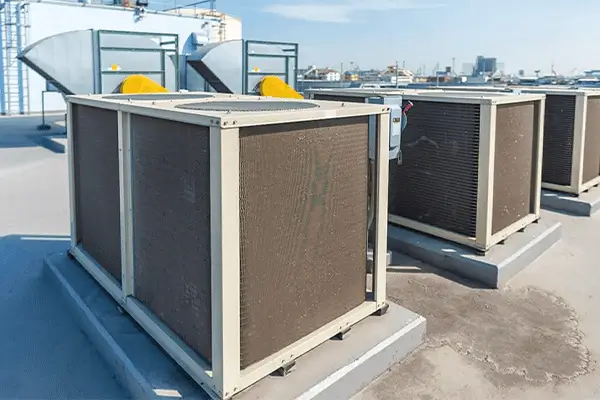
Terrace utility yard - chillers, cooling towers, AHUs

Open plant decks with railings, cable trays, duct runs and equipment skids give hundreds of metres of perch. Cooling tower basins add a water source, which is what turns an occasional visit into a resident flock.

Warehouse docks, dock levellers and dispatch bays

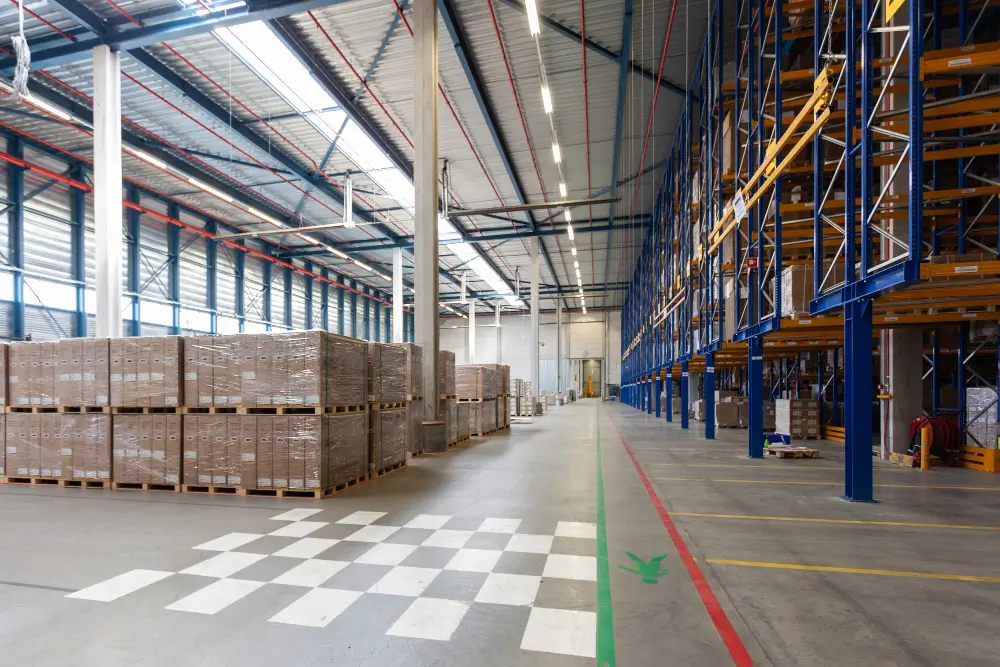
Shutters stay open for vehicle movement and birds follow forklifts inside, then settle on the high roof steel above palletised raw material, packaging and finished goods.

Pipe racks, cable trays and inter-block corridors

Every horizontal run between blocks is a perch, and most of them cross over walkways, material airlocks and personnel entries. Droppings land where people and pallets pass under.

Bird mesh proofing on air handling unit intake louvres at a pharmaceutical plant
Bird nesting debris blocking ventilation ducting in a pharma facility
Compliance

The Standards That Ask About Birds

Bird proofing is not a housekeeping line item on a regulated site. Every framework a pharma plant in India is inspected against expects ingress prevention, monitoring and evidence - and reads a bird finding as a contamination control failure.

Schedule M (Revised)

Requires premises to be designed and maintained to prevent entry of birds, insects, rodents and other vermin into manufacturing areas.

WHO-GMP

Pest and bird control must be a documented, routinely reviewed programme with records available to inspectors on request.

US FDA & EU GMP

Building fabric and air handling integrity fall under contamination control; a bird finding near an intake escalates quickly during inspection.

ISO 14644 & ISO 9001

Cleanroom classification and quality systems both depend on a controlled envelope and evidenced preventive maintenance.

Feather Guard is ISO, HACCP and GMP certified - your bird proofing contractor is qualified to the same discipline as the rest of your vendor panel.

The Solution

What We Install in Pharma Facilities

Exclusion first, deterrence second. Seal the envelope so birds cannot enter, deny the perches they were using, then cover the open decks and yards that cannot be netted. Most pharma campuses need three of these together - the survey decides where each one goes.

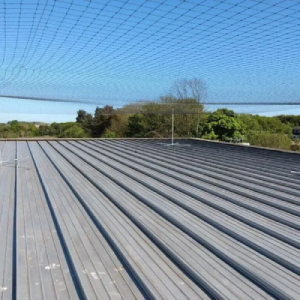
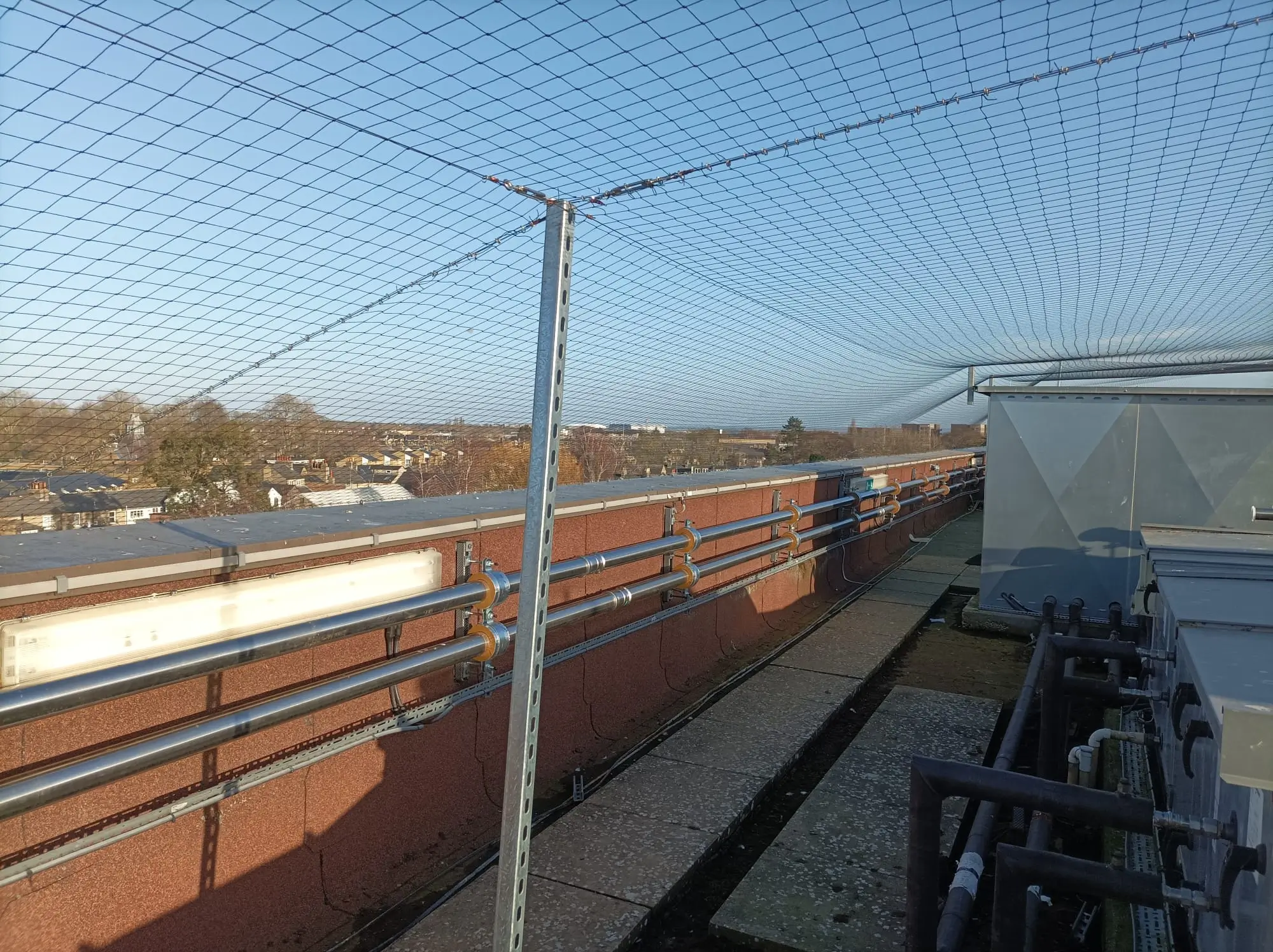
Industrial bird netting sealing a pharmaceutical plant service void and roof space

Industrial Bird Netting

The primary barrier on any pharma campus. High-tensile UV-stabilised HDPE mesh on stainless cable seals technical floors, service voids, warehouse roof space, dock canopies and AHU room openings. Purely physical - nothing for a flock to habituate to and nothing to dose or replenish. Installed taut and flush so it never sags into a debris trap above a production area. Rated 8 to 10 years outdoors, longer in covered voids.

Explore Industrial Bird Netting
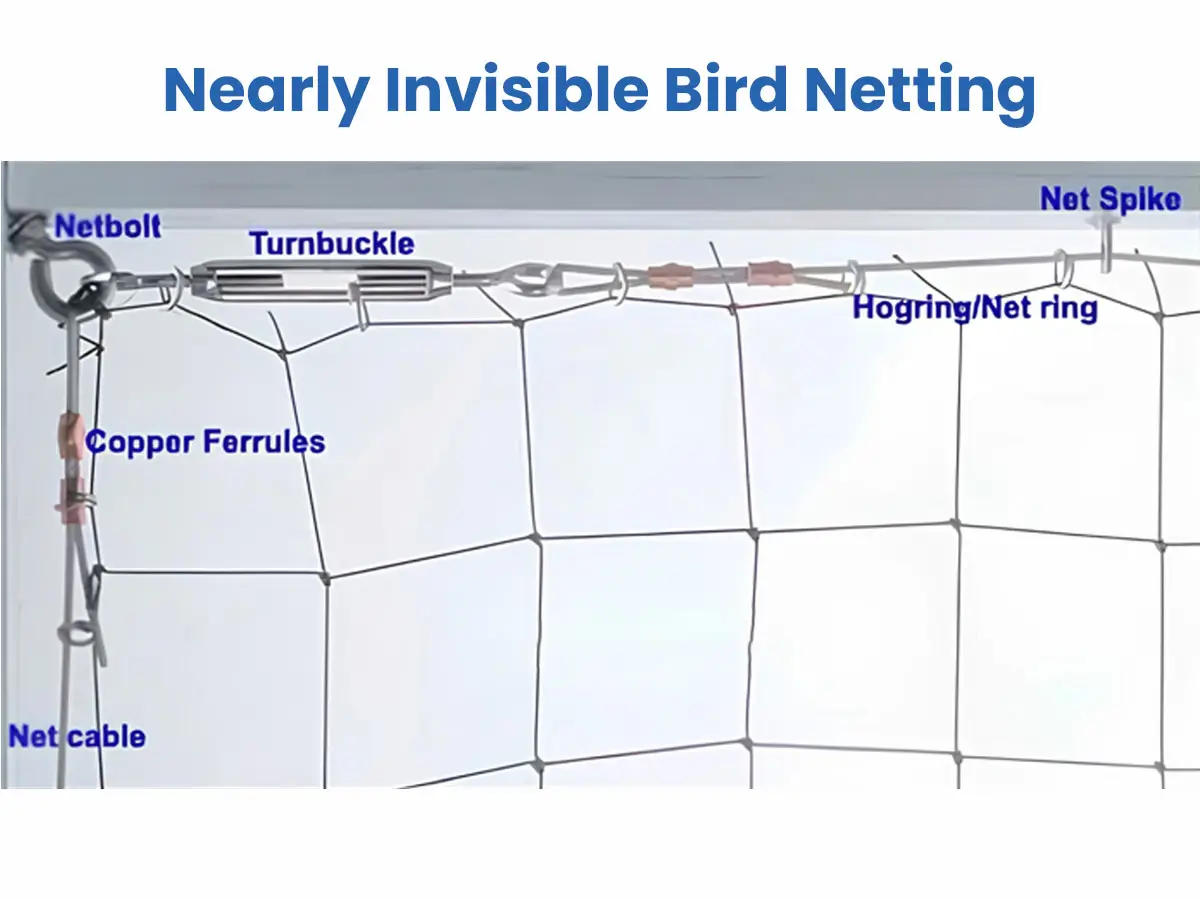
Nearly invisible bird netting on a pharmaceutical facility glazed facade

Nearly Invisible Bird Netting

For the elevations regulators, auditors and clients actually see - QC and microbiology blocks, glazed admin facades, reception canopies and visitor routes. Fine-gauge low-reflectance mesh that reads as empty space from a few metres out while still excluding birds completely. Chosen wherever a standard industrial net would look wrong on a customer-facing elevation.

Explore Nearly Invisible Netting
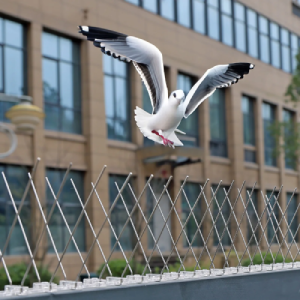
Stainless steel bird spikes installed on a pharma plant utility deck railing

Bird Spikes

For linear perches netting cannot economically cover - parapet copings, intake hoods, duct supports, pipe racks, cable trays, equipment skids and signage. Blunt-tipped and humane: they remove the landing without injuring birds or the technicians servicing the deck. Stainless steel throughout wash-down and solvent-exposed areas. Fixings are captive and counted in and out, so nothing on a spike run can become a foreign particle.

Explore Bird Spikes
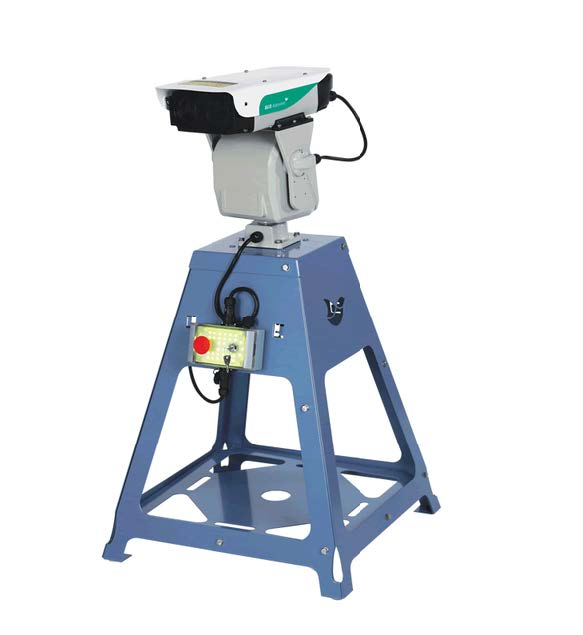
Automated laser bird deterrent covering a pharmaceutical plant terrace and utility yard

Laser Bird Deterrent

For the large open areas netting cannot reach - main terraces, chiller and cooling tower decks, ETP and solvent yards, tank farms and boundary sheds. An automated head sweeps a programmed green pattern that birds read as an approaching object and leave. Silent, chemical-free, no consumables, and strongest at dawn and dusk when roosting pressure peaks. Runs unattended once commissioned.

Explore Laser Deterrents
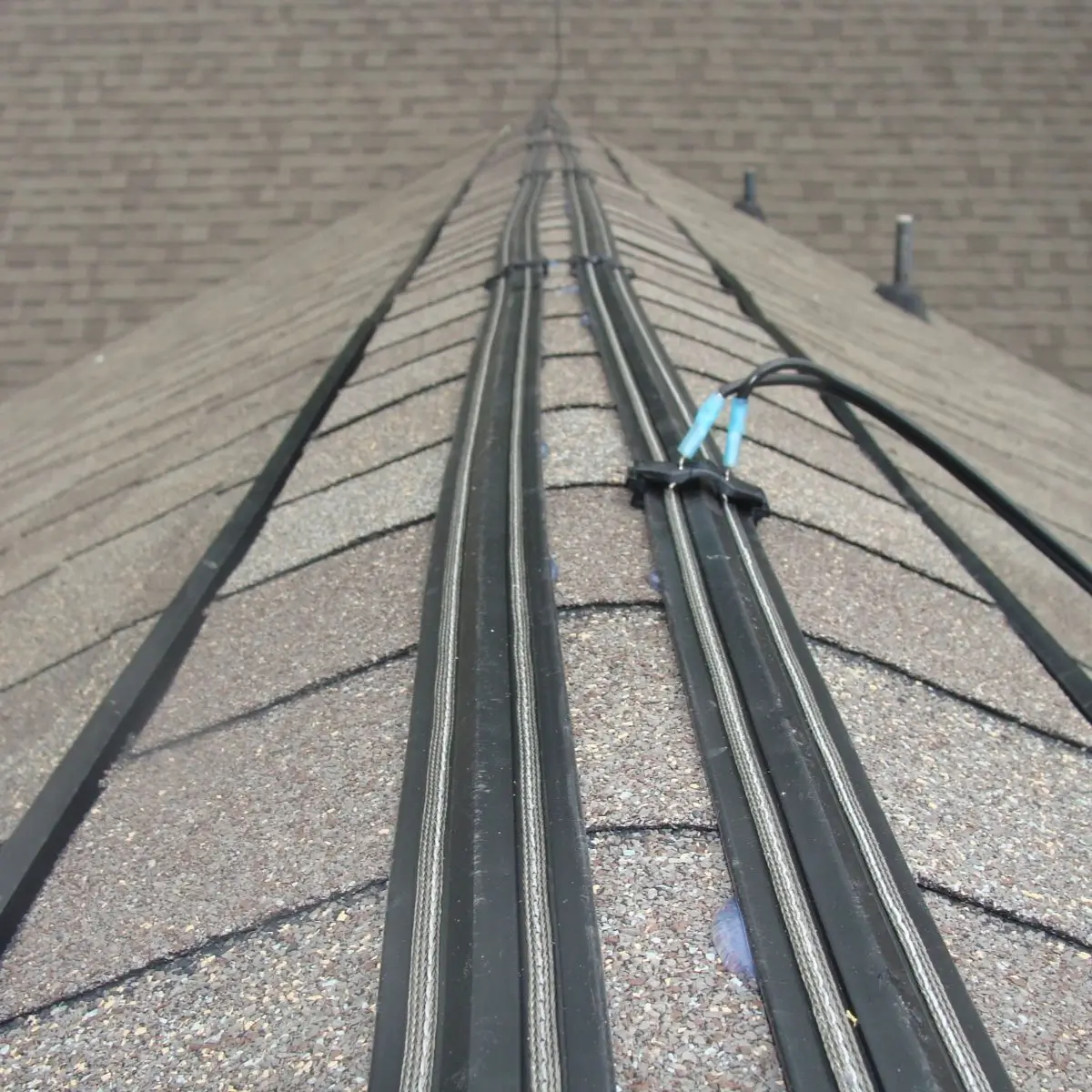
Bird shock track installed on a pharmaceutical building ledge

Bird Shock Track

A low-profile track that delivers a harmless static pulse the instant a bird lands, teaching the flock to abandon the location rather than just blocking it. That behavioural effect is why it clears the stubborn legacy roosts that have simply been netted or spiked over repeatedly. Almost invisible from ground level, so it suits visible elevations, curved parapets and architectural facades.

Explore Bird Shock Track
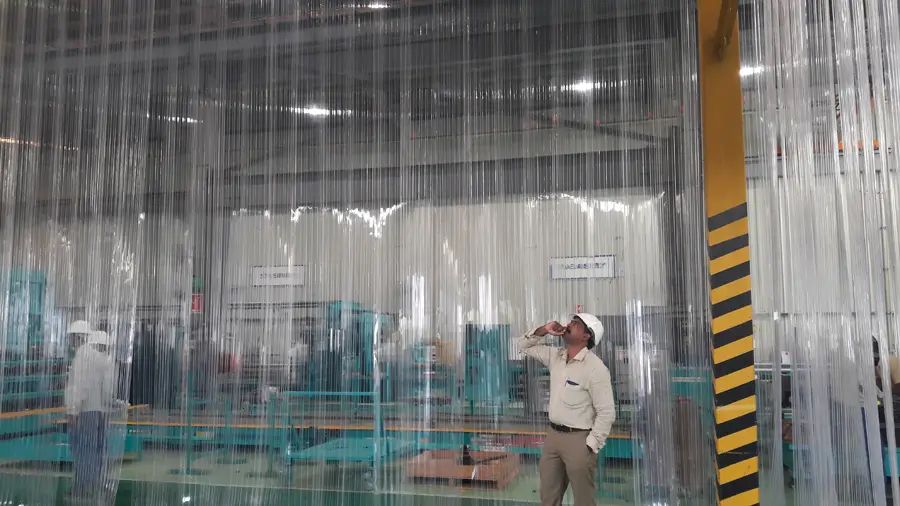
Transparent PVC strip curtains on a pharmaceutical warehouse dispatch door

PVC Strip Curtains

The opening netting leaves behind. Transparent strip curtains let forklifts and pallet movement through a warehouse or dock door while keeping birds, flying insects and airborne dust out, and they help hold differential pressure and temperature at the boundary. Easy to wipe down and replaceable strip by strip - usually the cheapest single improvement on a dispatch bay.

Explore PVC Curtains
Zone by Zone

Which Solution Goes Where

A condensed version of what our pharma survey reports recommend. Your block layout will differ, but this is how a typical formulation or API campus gets covered.

Swipe the table sideways to see all three columns.

Zone Main Risk Recommended Solution
Sterile core & classified cleanrooms Airborne particulate and bioburden entering via supply air Seal service void above + mesh proofing on every plenum opening
AHU rooms, plenums & intake louvres Droppings drawn into filter banks, rising filter DP Bird mesh on all intakes + spikes on hoods and louvre blades
Granulation, compression & coating halls Nesting debris and dust in the ceiling void above Full netting of the technical floor + spikes on duct supports
Packing & labelling hall Foreign particle in pack, batch rejection and complaints Sealed void netting + shock track on internal ledges
Raw material, API & packaging warehouse Contaminated stock, nesting in high roof steel and racking Full-span roof netting + spikes on purlins and racking tops
QC, microbiology & stability labs EM excursions and false positives traced to external load Nearly invisible netting on facade + intake mesh proofing
Terrace utility yard, chillers & cooling towers Resident flock with food and water, feeding the whole site Laser deterrent + spikes on railings, skids and cable trays
ETP, solvent yard & tank farm Open water and shelter sustaining bird pressure Laser deterrent + netting on covered structures
Dock, dispatch bays & dock levellers Birds entering with vehicle and forklift movement Bay netting + PVC strip curtains + door-gap proofing
Admin block, canteen & visible elevations Bird activity in front of inspectors and clients Nearly invisible netting + shock track on ledges
How We Work

From First Walk to Inspection Record

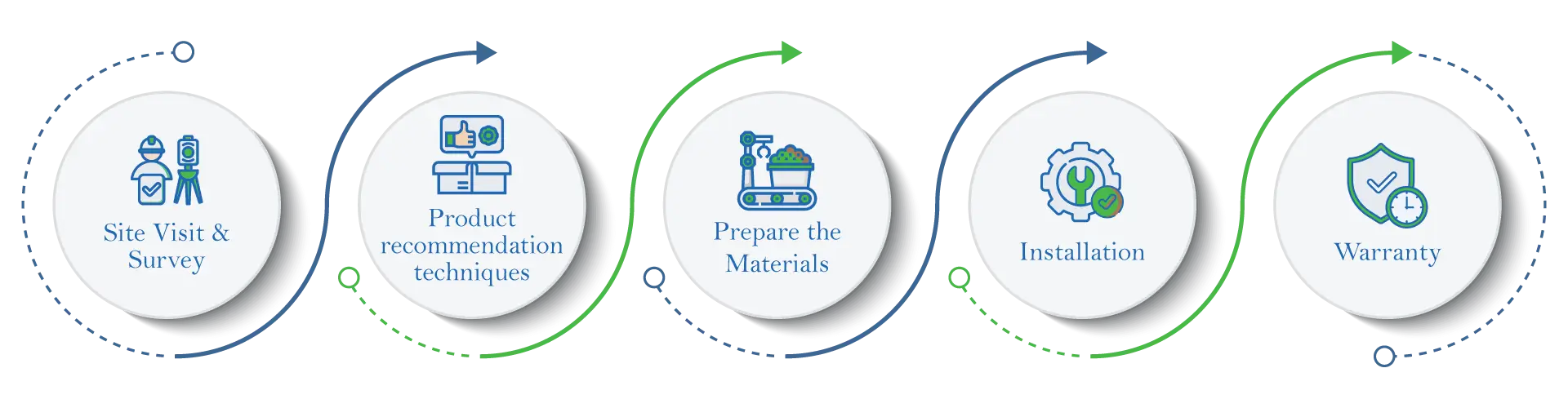
On a regulated site the sequence matters as much as the material. This is the order we follow, and a skipped step is usually why the last contractor's work did not hold.

1

Site survey and bird pressure mapping

We walk the campus at the hours birds are actually active - dawn and dusk - identify the species, count roosting and nesting positions, and mark every entry point block by block on your layout drawing. The map is yours whether or not you appoint us.

2

Risk ranking against your classified areas

Findings are ranked by proximity to air intakes, classified boundaries and open material. A roost above an AHU plenum gets fixed before a roost over a car park, regardless of which one looks worse.

3

Zone-wise solution design

Each zone gets the method that fits it - exclusion where we can seal, deterrence where we cannot. Mesh, fixings and hardware are specified against your wash-down regime, solvent exposure and corrosion load, not off a generic list.

4

Clearance and decontamination

Nests, eggs, droppings and contaminated insulation are removed under controlled conditions by technicians in PPE, and surfaces are disinfected before anything goes up. We never seal a structure with birds still inside it.

5

Installation around shutdowns and change control

Work is scheduled zone by zone against your shutdown and maintenance calendar. Areas below are sheeted, tools are tethered and counted in and out, and each zone is handed back cleaned and signed off.

6

Documentation, AMC and trend reporting

You receive marked-up drawings, material specifications, warranties and dated before-and-after photographs. AMC clients get periodic inspection reports and activity trends - the evidence an inspector asks for when checking that bird pressure is monitored, not just cleaned up after.

Feather Guard technicians conducting a Gemba survey at a pharmaceutical plant
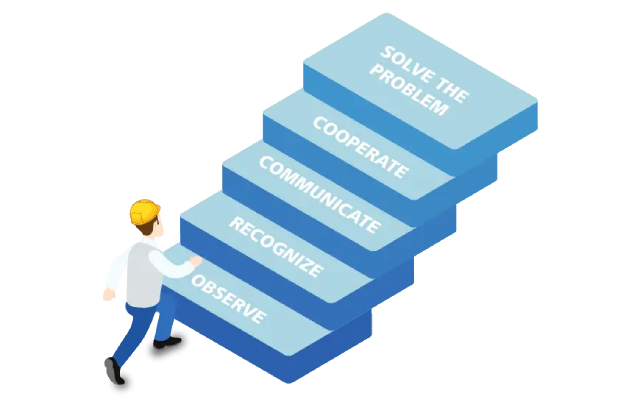
Feather Guard bird control process flow for pharmaceutical facilities

Why Pharma Plants Stay With Us

  • 52+ years in Integrated Pest Management on regulated manufacturing sites
  • ISO, HACCP and GMP certified contractor
  • No poisons, gels, adhesives or trapping - exclusion and deterrence only
  • Captive, counted fixings so nothing becomes a foreign particle
  • Air-intake and service-void work treated as contamination control, not housekeeping
  • Documentation that drops straight into your pest management SOP
  • Trained, insured, ERP-tracked teams inducted to your site rules
Sectors We Cover

Pharma Facilities We Bird Proof

FAQ

Bird Control in Pharma Plants - Common Questions

Because your classified areas are only as controlled as the air and the envelope feeding them. A roost on a terrace parapet twenty metres from a fresh-air intake is upstream of your filter bank; dried droppings there become fine particulate carrying Aspergillus and Histoplasma straight to the pre-filters.

Schedule M and WHO-GMP both require premises to be maintained to prevent bird and vermin entry. An inspector who sees droppings on the intake deck will ask for your pest programme, your monitoring records and your CAPA - all from a finding that never entered the building.

Mostly, yes. Terrace, utility yard, warehouse roof and external facade work happens entirely outside the production envelope and needs no downtime at all - that is the majority of the scope on most campuses.

Service voids and AHU rooms are different. Those we schedule into planned shutdowns or maintenance windows, with the area below sheeted and a documented clean-down before handover. A typical formulation block is completed across two or three shutdown windows without affecting batch schedules.

No. We specify UV-stabilised HDPE mesh which does not fibrillate or shed, stainless steel hardware, and captive fixings that cannot back out. Nothing we install is adhesive-based, gel-based or coated with anything that can leach, drip or volatilise.

Every installed component is logged by zone and count. If you ever run a foreign-particle investigation, you can reconcile our installation against the record instead of guessing.

With correctly sized mesh and the right free area. We calculate the open area of the proposed mesh against the design airflow of the plenum, and we fit it on a removable frame set clear of the louvre face so it does not restrict the intake or trap debris against the blades.

The frame matters as much as the mesh. It has to come off for cleaning without tools that drop into the plenum, and it has to be inspectable during your routine AHU checks. We hand over the free-area calculation with the drawings.

They are cleared before anything is sealed. Nests, eggs, droppings and contaminated insulation come out under controlled conditions by technicians in PPE, with waste bagged and disposed of off site, and the surface disinfected. Only then does exclusion go up.

Sealing a void with birds inside is the most common failure we get called in to correct. A few weeks later it is not a bird problem any more - it is a carcass, a beetle infestation and a decontamination job above your production ceiling.

Yes. Every site receives a survey report with marked-up drawings, a bird pressure map, risk ranking against classified areas, the installation scope with material specifications and warranties, and dated before-and-after photographs.

AMC clients also get periodic inspection reports with activity trends. That trend line is what usually satisfies an inspector - it shows bird pressure being monitored and reducing, rather than being cleaned up whenever someone notices.

Chemical repellents, gels and avicides are not something we will install on a pharmaceutical site, and we would advise against anyone who offers them. They introduce an uncontrolled substance into an environment where every material is meant to be specified and justified.

Ultrasonic units have a narrower use than their marketing suggests - birds habituate, and hard surfaces create shadow zones. We use sonic and laser deterrence where it genuinely fits, typically large open yards, and we rely on physical exclusion everywhere it is possible.

API and bulk drug units, OSD formulation plants, injectable and sterile facilities, biotech and vaccine manufacturers, nutraceutical and veterinary plants, pharma warehouses and CFA depots, R&D centres and QC laboratories - across Gujarat, Maharashtra, Telangana, Himachal and the rest of India.

Bitco has been in Integrated Pest Management since 1972, and regulated manufacturing has been a core part of that work throughout. We are happy to share sector references on request.

Next Step

Start With a Free Site Survey

Send us your plant location and we will walk the campus at the hours birds are actually active - including the terrace, AHU decks and warehouse roof that rarely get inspected. You get a bird pressure map, a risk ranking against your classified areas and a written scope. No obligation, and the map is yours either way.

Prefer to see it work before committing? Take the risk-free demo: we proof one critical area of your choice and you pay only after you are satisfied with the result.

Book Your Free Survey

WHY CHOOSE US

Expertise That Sets Us Apart

Experienced & Trained Technician

With years of industry experience, we offer trusted, professional bird and Integrated Pest Management solutions backed by a proven track record.

100% ERP & Insured Staff

With 100% ERP integration, we’ve enhanced our operations, made informed decisions, and continue delivering top-tier solutions to our clients.

Labour Law Complied

Our services strictly adhere to labor law regulations, ensuring legal compliance, fair practices, and protection for both staff and clients.

Focused Industry Solution

We provide focused industrial solutions tailored to your specific needs, ensuring efficiency, reliability, and optimized performance in every operation.

Maintain Safety

We prioritize safety on-site by ensuring that all our products are completely safe for humans. Our commitment to non-harmful solutions reflects our dedication

Customized Solution

Every client’s needs are unique. We provide customized solutions based on the specific requirements of your premises and bird pressure levels

Innovative Technology

We use cutting-edge bird proofing devices like ultrasonic repellents, bird spikes, and laser deterrents, ensuring the most advanced and effective solutions

Long-Lasting Protection

Our products, such as UV-treated bird nets and durable spikes, are designed to last for years, providing cost-effective, low-maintenance protection

Guaranteed Results

We provide 100% effective, long-lasting solutions to keep your property safe from birds like pigeons, ensuring peace of mind.


Risk-Free Demo:
Experience Our Services

We propose to offer you a DEMO of our Bird Proofing Solutions in any critical area identified by you, billing for which would be done only after your positive feedback on completion of evaluation period of may be 1 month.

TRUSTED BY INDUSTRY LEADERS

Our Esteemed Clients

Locations we Serve

Ahmedabad | Amreli | Anand | Aravalli | Banaskantha | Bharuch | Bhavnagar | Bhuj | Botad | Champaner | Chanasma | Chhota Udaipur | Chikhli | Dabhoi | Dahod | Dang | Deesa | Devbhoomi Dwarka | Dharampur | Dholera | Dudhrej | Gandhidham | Gandhinagar | Gir Somnath | Godhra | Gondal | Idar | Jamnagar | Jetpur | Junagadh | Kalol | Khambhat | Kheda | Kutch | Lakhpat | Mahisagar | Mandvi | Mehsana | Morbi | Nadiad | Narmada | Navsari | Panchmahal | Palanpur | Palitana | Patan | Porbandar | Radhanpur | Rajkot | Sabarkantha | Saputara | Siddhpur | Songadh | Surendranagar | Surat | Tapi | Vadnagar | Vadodara | Valsad | Vapi | Veraval | Vyara | Wankaner

Agra | Aligarh | Allahabad (Prayagraj) | Amritsar | Amroha | Aurangabad | Bengaluru | Bhopal | Chandigarh | Chennai | Coimbatore | Delhi | Dhanbad | Faridabad | Firozabad | Gurgaon | Guwahati | Gwalior | Hubli-Dharwad | Hyderabad | Indore | Jabalpur | Jaipur | Jodhpur | Kalyan-Dombivali | Kanpur | Kolkata | Lucknow | Ludhiana | Madurai | Meerut | Moradabad | Mumbai | Nagpur | Nashik | Patiala | Patna | Pune | Raipur | Siliguri | Solapur | Srinagar | Thane | Varanasi | Vasai-Virar | Vijayawada | Visakhapatnam

Andhra Pradesh | Arunachal Pradesh | Assam | Bihar | Chhattisgarh | Goa | Gujarat | Haryana | Himachal Pradesh | Jharkhand | Karnataka | Kerala | Madhya Pradesh | Maharashtra | Manipur | Meghalaya | Mizoram | Nagaland | Odisha (Orissa) | Punjab | Rajasthan | Sikkim | Tamil Nadu | Telangana | Tripura | Uttar Pradesh | Uttarakhand | West Bengal